RSS

How Indigenous Land Claims Are Affecting the Greater Vancouver Real Estate Market

The Greater Vancouver real estate market is shaped by a wide range of factors, including interest rates, housing supply, and government policy. However, one of the most important—and often misunderstood—elements is the role of Indigenous land claims.

As British Columbia continues to address longstanding questions around land ownership and rights, these claims are beginning to influence real estate in meaningful ways.

What Are Indigenous Land Claims?

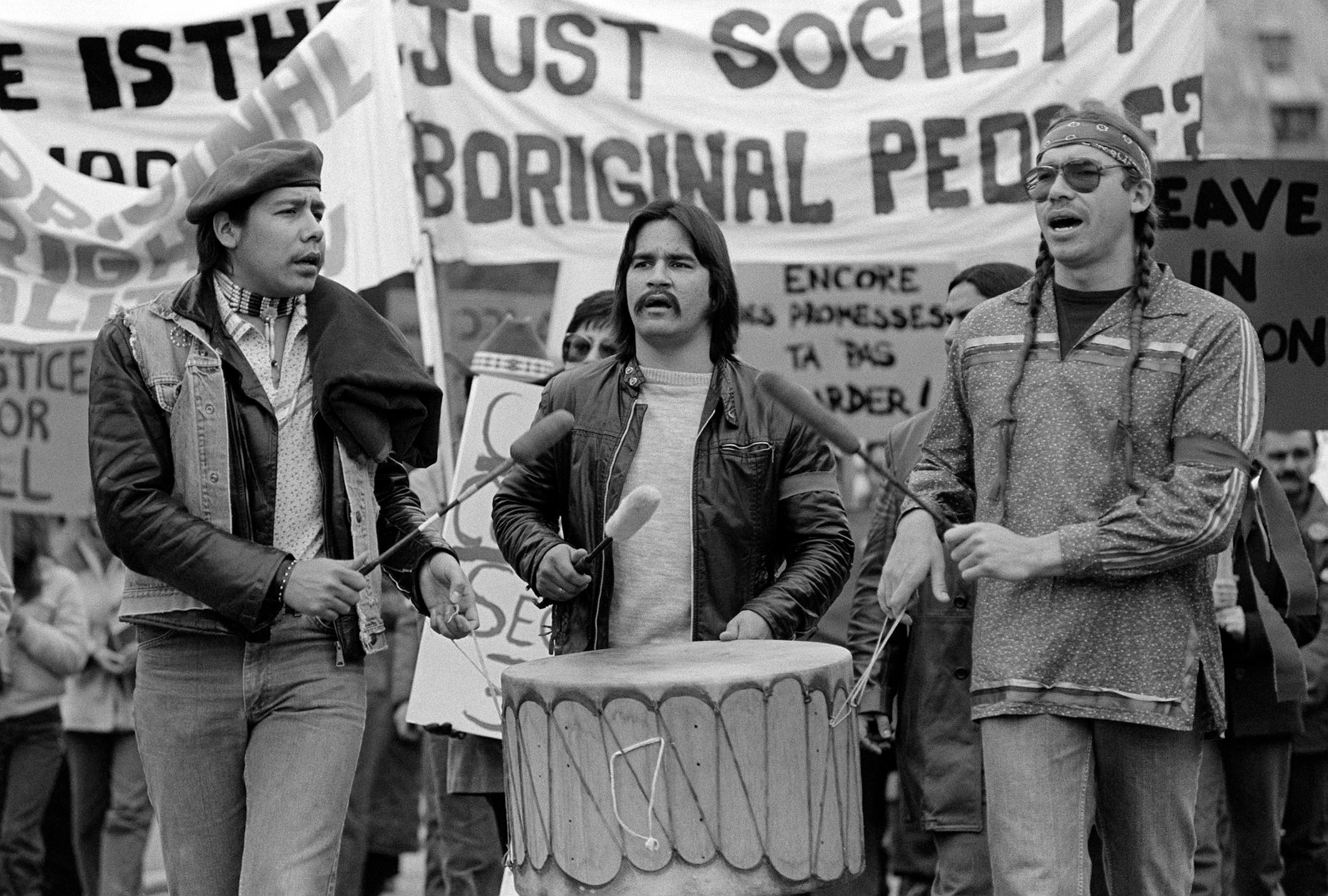
Indigenous land claims arise when First Nations assert ownership or rights over traditional territories that were never formally surrendered through treaties.

Unlike other parts of Canada, much of British Columbia is considered unceded land, making the negotiation process particularly significant in this region.

These claims are typically addressed through treaties, court decisions, or government negotiations, all of which can impact land use and development.

Impact on Development and Housing Supply

One of the most immediate effects of Indigenous land claims is on development timelines.

Before new projects can proceed, developers are often required to consult with First Nations. While this process is essential, it can sometimes extend approval timelines and affect the pace of new housing supply entering the market.

At the same time, these processes can lead to more thoughtful and sustainable development outcomes.

New Partnerships and Opportunities

An important trend emerging in recent years is the increase in partnerships between developers and First Nations.

These collaborations are opening the door to new housing projects, particularly on Indigenous-owned land, which can help address housing shortages while supporting economic development within First Nations communities.

What This Means for Buyers and Sellers

For buyers, understanding land claims can provide additional insight into future development and neighborhood changes.

For sellers, it’s an opportunity to better position properties by understanding how local developments and land use policies may evolve.

In some cases, properties near major development areas or Indigenous partnerships may see long-term value growth.

Indigenous land claims will continue to play a significant role in shaping the future of real estate in Greater Vancouver.

While they can introduce complexity, they also represent an important step toward reconciliation and more inclusive land use planning.

As the market continues to evolve, staying informed about factors like Indigenous land claims is essential for making confident real estate decisions.

If you’re considering buying or selling, working with a professional who understands these dynamics can help you navigate the market with clarity and confidence.

Have questions about how this impacts your real estate plans?

Reach out anytime—we’re here to help you make informed decisions in a changing market.

Read

Your Guide to Cherry Blossom Season in Vancouver (2026)

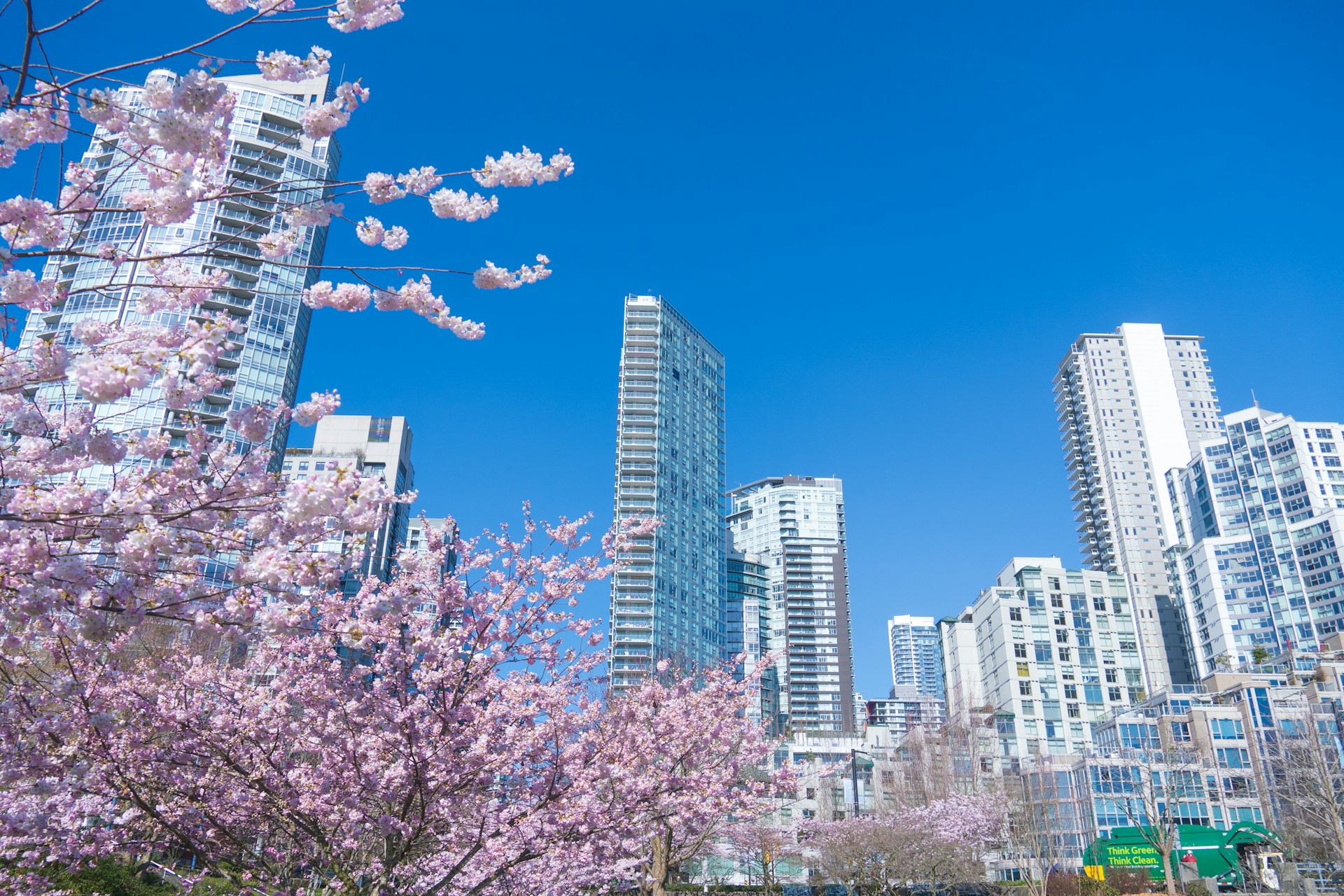
Spring in Vancouver is truly something special. Each year, over 40,000 cherry blossom trees transform the city into a soft canopy of pink and white, creating one of the most anticipated—and fleeting—seasons of the year.

Whether you're a long-time local or new to the city, cherry blossom season is the perfect time to reconnect with Vancouver in a meaningful way.

FESTIVAL HIGHLIGHTS

🌸 Vancouver Cherry Blossom Festival 2026
March 27 – April 12

Celebrate spring with some of the city’s most iconic events:

  • Blossoms After Dark (March 27–29)
    Evening strolls under glowing cherry blossoms with live performances and food trucks

  • The Big Picnic (March 28–29)
    A classic Vancouver moment—blankets, blossoms, and live entertainment

  • Blossom Block Party (April 4)
    Music, dancing, and vibrant spring energy downtown

  • Sakura Days Japan Fair (April 11–12)
    Cultural experiences, food, tea ceremonies, and performances

BEST PLACES TO SEE BLOSSOMS

🌸 Where to Go

  • Stanley Park
    Iconic views with ocean and mountain backdrops

  • Queen Elizabeth Park
    Elevated scenery and longer-lasting blooms

  • VanDusen Botanical Garden
    Peaceful, curated gardens with diverse cherry trees

  • Nitobe Memorial Garden
    A quiet, reflective Japanese garden experience

SIMPLE WAYS TO ENJOY

🌸 Keep It Simple

Sometimes the best moments are the easiest:

  • Picnic at Vanier Park or David Lam Park

  • Stroll through Kitsilano, West End, or Arbutus Ridge+

  • Bike the blossoms around the city

  • Early morning photography walks

  • Explore seasonal cafés and treats

🌸 A Season That Doesn’t Last

Cherry blossom season only lasts a few weeks, making it a perfect reminder to slow down and enjoy the moment.

Peak bloom typically falls between late March and early April—so don’t miss it.

Thinking About a Move This Spring?

Spring isn’t just for blossoms—it’s also one of the most active times in Vancouver’s real estate market.

If you’re considering buying or selling, or just want to understand your home’s value, I’m always here to help.


Read

What’s ACTUALLY happening (2026 BC Budget)

What the New 7% PST on Services Means for Vancouver Real Estate in 2026

In the British Columbia 2026 provincial budget, the government proposed expanding the Provincial Sales Tax (PST) to certain professional services.

  • Rate: 7% PST (this is NOT new, PST has always been 7%)

  • What’s new: The tax now applies to more services than before

Effective date: October 1, 2026 (if legislation passes)

Key Clarification

“7% tax on real estate commissions”

❌ This is misleading / partially incorrect

 Reality:

  • The 7% PST applies to non-residential (commercial) real estate services only

  • Residential real estate commissions are NOT included (as of now)

What services ARE affected?

Starting Oct 1, 2026, PST will apply to:

1. Professional Services

  • Accounting & bookkeeping

  • Architectural services

  • Engineering & geoscience

  • Security services

2. Real Estate (Important for your niche)

  • Commercial real estate commissions

  • Property management (rental, strata)

  • Real estate trading services

How this impacts Real Estate (Content Gold)

1. Higher transaction costs (Commercial)

  • Buyers & sellers of commercial properties will pay more closing costs

  • Commissions now include +7% PST

2. Increased operating costs

  • Property management fees now taxed

  • Likely passed down to:

    • Landlords

    • Tenants

    • Businesses

3. Potential ripple effect

Even though residential isn’t taxed directly:

  • Higher commercial costs → higher rents → affordability pressure

  • Developers face higher “soft costs” (design, engineering)

  • Could indirectly affect housing supply & pricing

Why the government is doing this

The province says:

  • BC has a narrow tax base on services

  • Other provinces already tax many of these services

  • This is meant to modernize the tax system

What’s still unclear

  • Final legislation is not yet fully confirmed (pending Royal Assent)

  • How mixed-use properties (residential + commercial) will be treated

  • Whether more services could be added later

Read

We have sold a property at 206 1622 Frances Street in Vancouver
We have sold a property at 206 1622 Frances Street in Vancouver.
You are going to love this fully renovated 2 bedroom corner suite with wrap around balcony. The layout is ideal and the renovations are top to bottom. Nothing to do but move in and enjoy your new home. Everything is brand new and ready to enjoy. Very well run friendly strata, pets and rentals ok. Spacious rooms you tend to only find in a solid 70's vintage building. Shared laundry is right on your floor. Close to great eateries, coffee bars & parks. Open Houses Sat & Sun March 7 & 8th 2-4.
Read

What’s ACTUALLY happening (2026 BC Budget)

What the New 7% PST on Services Means for Vancouver Real Estate in 2026

In the British Columbia 2026 provincial budget, the government proposed expanding the Provincial Sales Tax (PST) to certain professional services.

  • Rate: 7% PST (this is NOT new, PST has always been 7%)

  • What’s new: The tax now applies to more services than before

Effective date: October 1, 2026 (if legislation passes)

Key Clarification (VERY IMPORTANT for your content)

The statement:

“7% tax on real estate commissions”

This is misleading / partially incorrect

 Reality:

  • The 7% PST applies to non-residential (commercial) real estate services only

Residential real estate commissions are NOT included (as of now)

What services ARE affected?

Starting Oct 1, 2026, PST will apply to:

1. Professional Services

  • Accounting & bookkeeping

  • Architectural services

  • Engineering & geoscience

  • Security services

2. Real Estate (Important for your niche)

  • Commercial real estate commissions

  • Property management (rental, strata)

  • Real estate trading services

How this impacts Real Estate (Content Gold)

1. Higher transaction costs (Commercial)

  • Buyers & sellers of commercial properties will pay more closing costs

  • Commissions now include +7% PST

2. Increased operating costs

  • Property management fees now taxed

  • Likely passed down to:

    • Landlords

    • Tenants

    • Businesses

3. Potential ripple effect

Even though residential isn’t taxed directly:

  • Higher commercial costs → higher rents → affordability pressure

  • Developers face higher “soft costs” (design, engineering)

  • Could indirectly affect housing supply & pricing

Why the government is doing this

The province says:

  • BC has a narrow tax base on services

  • Other provinces already tax many of these services

  • This is meant to modernize the tax system

What’s still unclear

  • Final legislation is not yet fully confirmed (pending Royal Assent)

  • How mixed-use properties (residential + commercial) will be treated

  • Whether more services could be added later


Read

We have sold a property at 2005 46th Avenue W in Vancouver
We have sold a property at 2005 46th Avenue W in Vancouver.
Fabulous Opportunity in a wonderful family oriented Kerrisdale N'hood. Steps to Magee Secondary and Maple Grove Elem. Kids can walk across to school. Well maintained 4000 sq ft family home is solid but original. Ideal Renovation project or buy and redevelop taking advantage of R1-1 zoning. The existing home is situated on a sun filled 50 x 135 corner lot. There's an attached 2 car garage accessed off Maple street. The home has generous sized principal rooms on the main level and 4 bedrooms Up. Perfect layout for a growing family. Lots of space on the lower level for the kids to spread out. You are situated so close to the Arbutus Greenway, Kerrisdale shopping and a large playing field right across the street which is ideal for the kids to run and play. View by appt only.
Read

Before We List Your Home

Here are 5 things we do to position your home for a successful sale.


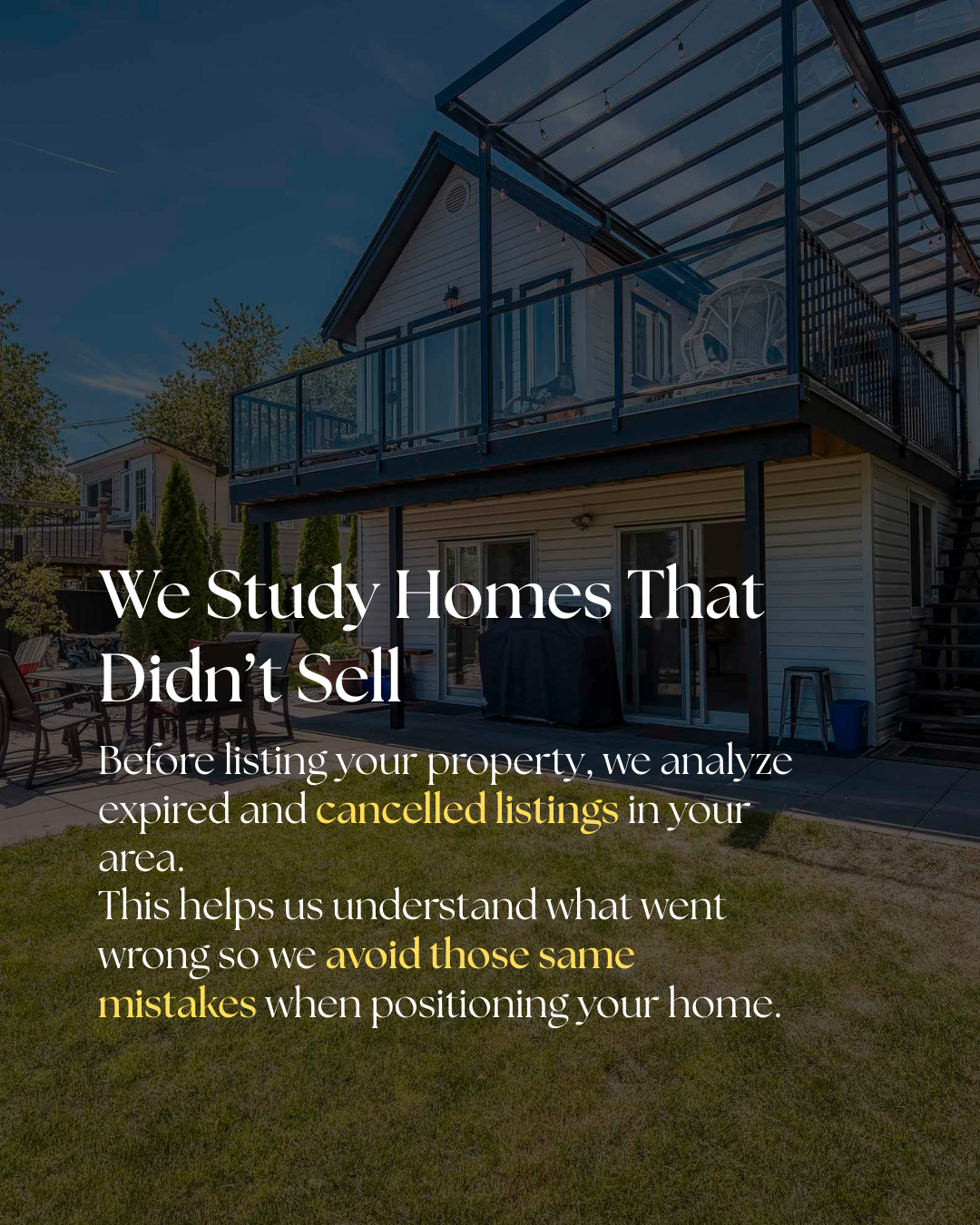
We Study Homes That Didn’t Sell


We Identify the Ideal Buyer


We Analyze the Competition


We Collaborate on Pricing Strategy


We Leverage Our Agent Network

Thinking About Selling?

Let’s talk about the strategy behind getting your home sold. Contact us today!

604-657-7936 | andrew@andrewhasman.com

Re/max Andrew and Jill Hasman

Read

BC Changes Property Tax Deferral Rules for Seniors (2026 Update)

In the 2026 BC Provincial Budget, the provincial government announced updates to the Property Tax Deferment Program, a long-standing program that allows many seniors and eligible homeowners to postpone paying their annual property taxes.

For years, this program has helped thousands of British Columbians remain in their homes even as property taxes and living costs have increased.

The changes introduced in 2026 primarily affect how interest is applied to deferred taxes, which could impact the long-term cost of using the program.

What Is the Property Tax Deferment Program?

The BC Property Tax Deferment Program allows eligible homeowners to delay paying their annual property taxes until they sell their home, transfer ownership, or repay the balance voluntarily.

Instead of paying the taxes themselves each year, the Province of British Columbia pays the property tax on behalf of the homeowner.

The deferred taxes are then repaid later, usually when the home is sold, with interest added over time.

To secure the repayment, the province places a lien on the property title for the amount owed.

For many homeowners, especially retirees on fixed incomes, the program can provide financial flexibility while allowing them to remain in their homes.

Who Is Eligible?

The program is available to several groups of homeowners in BC, including:

  • Homeowners aged 55 or older

  • Surviving spouses of homeowners

  • Persons with disabilities

  • Families with children under 18

Applicants must meet several criteria, including:

  • Owning and living in the home as their principal residence

  • Having sufficient equity in the property

  • Being up to date on property tax payments before applying

Key Change Starting in 2026

Beginning with the 2026 property tax year, the government has changed how interest is calculated on deferred taxes.

Previous system

Before 2026, deferred taxes accumulated simple interest, typically set at a rate up to 2% below the prime lending rate. This meant the cost of deferring taxes remained relatively modest over time.

New system

Starting in 2026:

  • Deferred property taxes will accrue compound interest

  • The interest rate will be Prime + 2%

Because the interest is compounded, the total amount owed could grow faster for homeowners who defer taxes over a long period.

Important Detail: Existing Deferments Are Not Affected

Homeowners who already deferred property taxes before 2026 will remain under the previous interest rules.

The new interest structure applies only to taxes deferred from the 2026 tax year onward.

This distinction is important for homeowners who have been using the program for several years.

Why This Matters for Homeowners

The property tax deferment program has long been an important financial tool for seniors who are often described as “house rich but cash poor.”

Many long-time homeowners in markets like Vancouver and the Lower Mainland may have significant home equity but limited retirement income.

By deferring property taxes, they have been able to:

  • Reduce annual living expenses

  • Stay in their homes longer

  • Avoid drawing down retirement savings

However, the shift to compound interest at a higher rate means the long-term cost of using the program may increase.

For homeowners considering the program in the future, it may be worthwhile to:

  • Review the long-term impact of compounding interest

  • Consider whether partial tax payments make sense

  • Speak with a financial advisor when planning retirement housing costs

The Bottom Line

The BC Property Tax Deferment Program remains an important option for many homeowners.

However, the 2026 changes to the interest structure could make the program more expensive over time, particularly for homeowners who defer taxes for many years.

As housing costs and property values continue to evolve in British Columbia, policy changes like this can play an important role in how homeowners plan for the future.

Read

New normal for Metro Vancouver’s housing market continues

VANCOUVER, BC – March 3, 2026 – Metro Vancouver* home sales registered on the MLS® in February continued the recent trend of slower-than-average sales, seeing a ten per cent decline over the same period last year.

The Greater Vancouver REALTORS® (GVR) reports that residential sales in the region totalled 1,648 in February 2026, a 9.8 per cent decrease from the 1,827 sales recorded in February 2025. This was 28.7 per cent below the 10-year seasonal average (2,310).

“With each passing data point, the pace of sales running well-below long-term averages are no longer a surprise – it’s become the new norm,” said Andrew Lis, GVR chief economist and vice-president data analytics.

“A surprising finding this February, however, is that home sellers appear less eager to list their homes relative to last year with new listings down about seven percent, mostly driven by fewer listings in the apartment segment.”

There were 4,734 detached, attached and apartment properties newly listed for sale on the Multiple Listing Service® (MLS®) in Metro Vancouver in February 2026. This represents a 6.4 per cent decrease compared to the 5,057 properties listed in February 2025. This was 7.1 per cent above the 10-year seasonal average (4,421).

The total number of properties currently listed for sale on the MLS® system in Metro Vancouver is 13,545, a 6.3 per cent increase compared to February 2025 (12,744). This is 37 per cent above the 10-year seasonal average (9,886). Across all detached, attached and apartment property types, the sales-to-active listings ratio for February 2026 is 12.6 per cent. By property type, the ratio is nine per cent for detached homes, 16.6 per cent for attached, and 14.1 per cent for apartments.

Read

We have sold a property at 403 1633 10th Avenue W in Vancouver
We have sold a property at 403 1633 10th Avenue W in Vancouver.
This suite truly feels like a home with its generous sized entry, floor to ceiling windows and 2 spacious bedrooms. Hennessey House is a small 26 unit boutique bldg in a fantastic walkable location. Everything you need is within a 10 minute walk. The suite is original and ideal for a remodel. Bright, North, South & West Exposures, Floor to ceiling windows and a lovely treed outlook on two sides provides a feel of real privacy. 2 balconies, 2 parking. Sorry no pets permitted. This home is waiting for you. Terrific value at $ 745 per sq ft. View by appt only.
Read

Open House. Open House on Saturday, March 7, 2026 2:00PM - 4:00PM
Please visit our Open House at 206 1622 Frances Street in Vancouver.
Open House on Saturday, March 7, 2026 2:00PM - 4:00PM
You are going to love this fully renovated 2 bedroom corner suite with wrap around balcony. The layout is ideal and the renovations are top to bottom. Nothing to do but move in and enjoy your new home. Everything is brand new and ready to enjoy. Very well run friendly strata, pets and rentals ok. Spacious rooms you tend to only find in a solid 70's vintage building. Shared laundry is right on your floor. Close to great eateries, coffee bars & parks. Open Houses Sat & Sun March 7 & 8th 2-4.
Read

Open House. Open House on Sunday, March 8, 2026 2:00PM - 4:00PM
Please visit our Open House at 206 1622 Frances Street in Vancouver.
Open House on Sunday, March 8, 2026 2:00PM - 4:00PM
You are going to love this fully renovated 2 bedroom corner suite with wrap around balcony. The layout is ideal and the renovations are top to bottom. Nothing to do but move in and enjoy your new home. Everything is brand new and ready to enjoy. Very well run friendly strata, pets and rentals ok. Spacious rooms you tend to only find in a solid 70's vintage building. Shared laundry is right on your floor. Close to great eateries, coffee bars & parks. Open Houses Sat & Sun March 7 & 8th 2-4.
Read
Reciprocity Logo The data relating to real estate on this website comes in part from the MLS® Reciprocity program of either the Greater Vancouver REALTORS® (GVR), the Fraser Valley Real Estate Board (FVREB) or the Chilliwack and District Real Estate Board (CADREB). Real estate listings held by participating real estate firms are marked with the MLS® logo and detailed information about the listing includes the name of the listing agent. This representation is based in whole or part on data generated by either the GVR, the FVREB or the CADREB which assumes no responsibility for its accuracy. The materials contained on this page may not be reproduced without the express written consent of either the GVR, the FVREB or the CADREB.