
What Is “The Missing Middle” in Vancouver and Why It Matters in 2026
A Complete Guide to Medium-Density Housing, Market Trends, and Why This Shift Could Reshape Vancouver Real Estate
Vancouver’s housing crisis remains one of Canada’s most urgent urban challenges. With home prices and rental costs continuing to outpace incomes in 2026, many residents — from first-time buyers to families and local workers — are finding fewer housing choices that fit their needs and budgets.
Enter the “Missing Middle” — a planning concept gaining traction as a practical solution to provide more diverse housing options across Vancouver’s established neighbourhoods.
What Is the Missing Middle? A Simple Definition
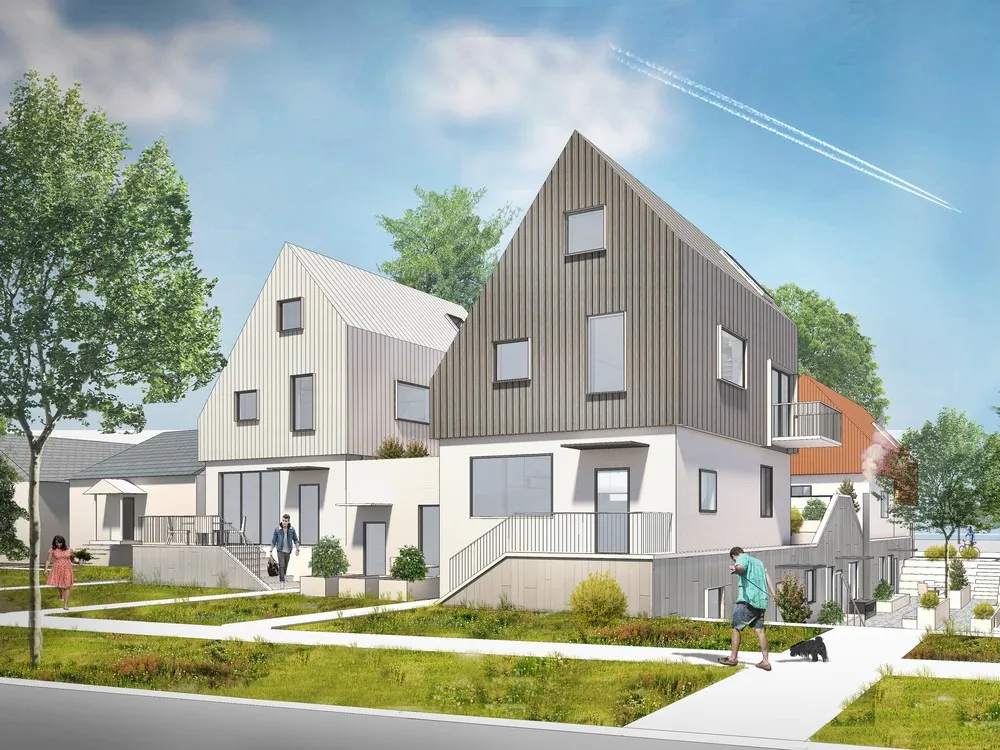
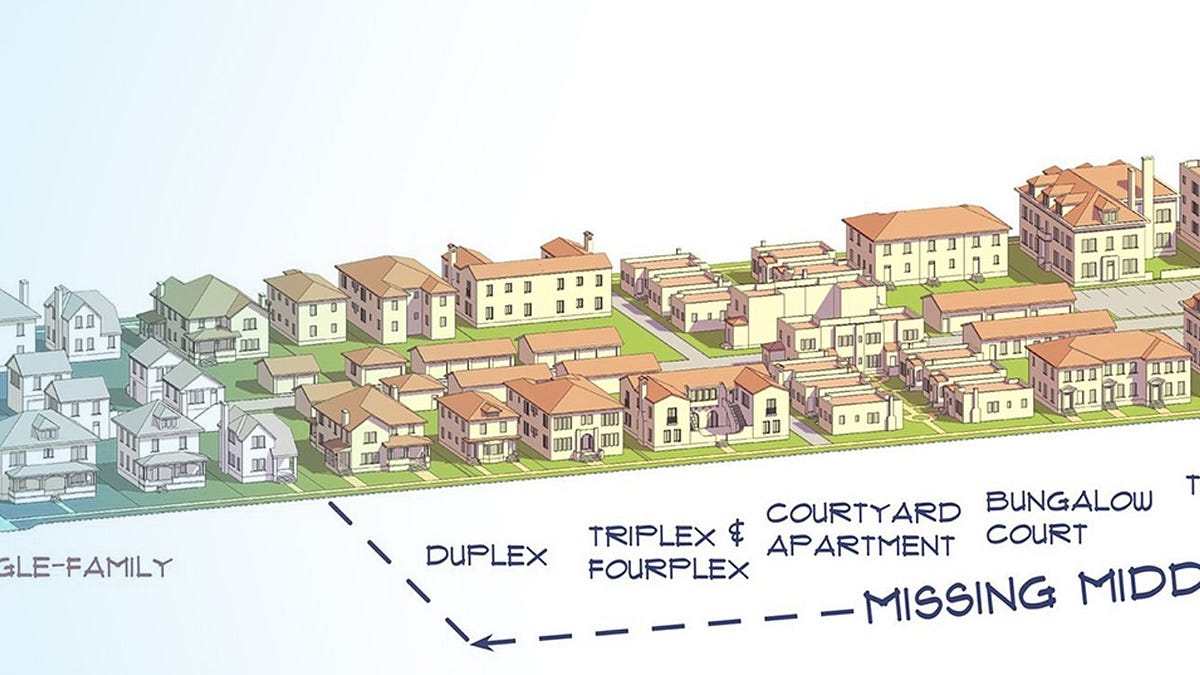
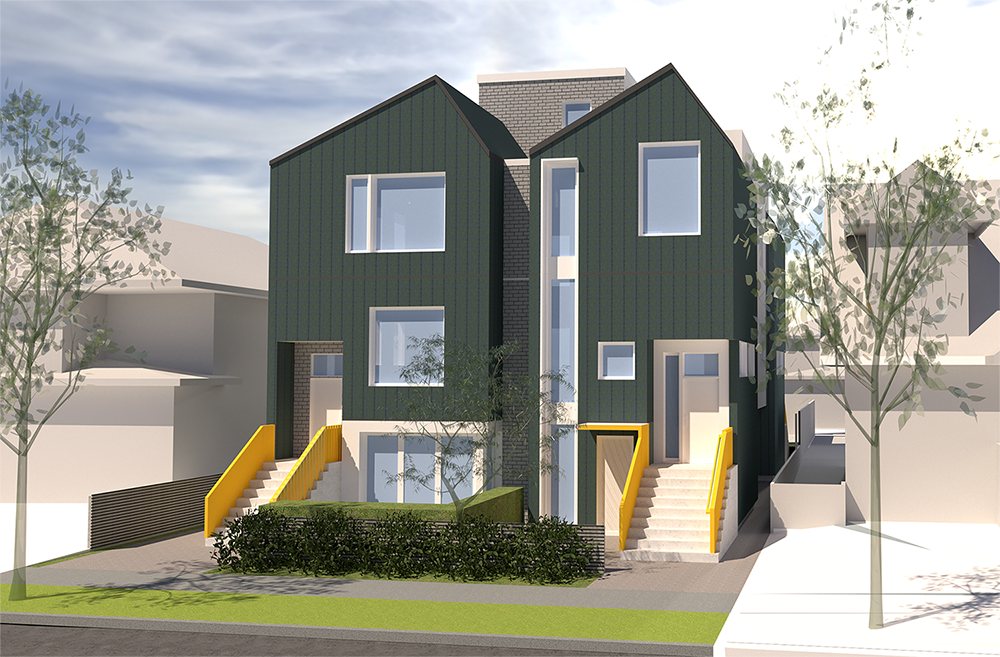
Missing Middle housing refers to medium-density residential building types that fall between traditional single-family detached homes and high-rise apartment towers. These include:
Duplexes
Triplexes and fourplexes
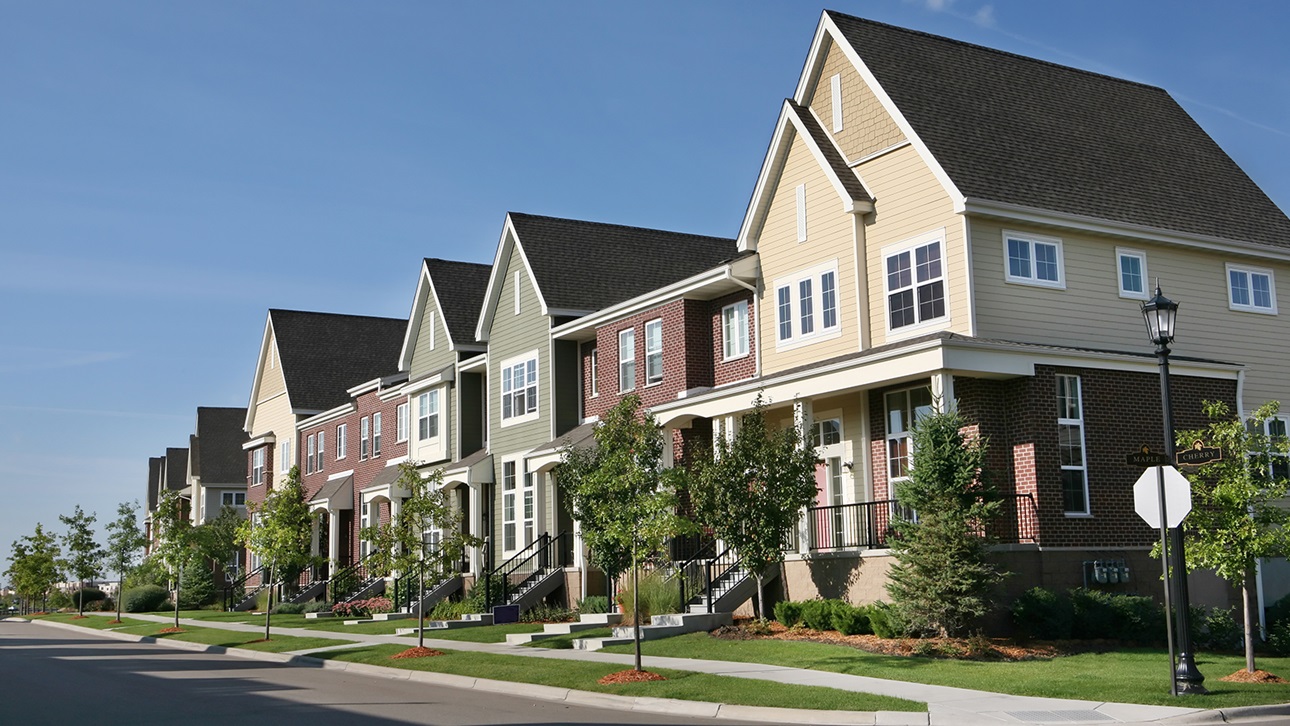
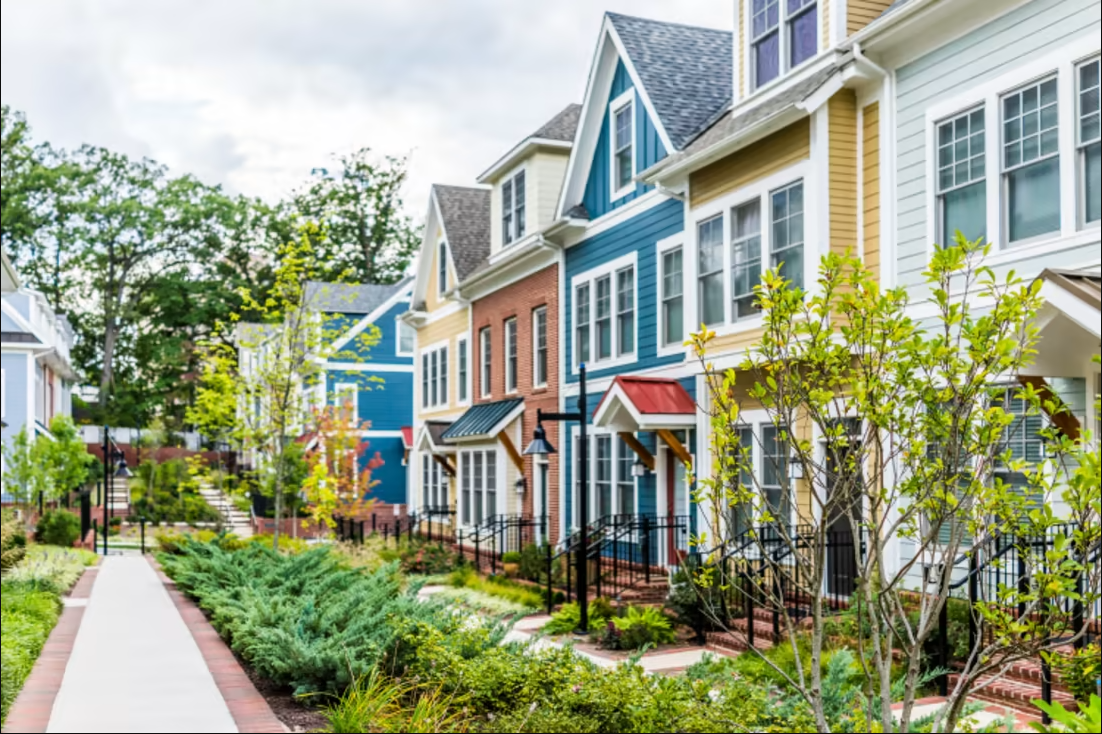
Townhomes and rowhouses
Backyard cottages and laneway housing
Low-rise courtyard apartments
These housing forms were common in Vancouver’s early urban fabric but largely vanished due to decades of zoning that favoured single-family homes on large lots or concentrated density in towers.
The term was popularized by architect Daniel Parolek in 2010 to describe this gap in housing types, which is exactly what many middle-income households need. Missing Middle is not a buzzword; it’s a market segment with real implications for affordability, community diversity, and urban sustainability.
Why Is It Missing? A Brief Zoning History
After World War II, cities across North America, including Vancouver, shifted toward zoning that separated land uses and prioritized single-family homes. These policies:
Excluded duplexes and multi-unit homes from most residential areas
Encouraged detached homes with yards and car-oriented design
Concentrated higher density into limited areas (often near transit or downtown)
As a result, mid-scale housing options disappeared from many desirable neighbourhoods. Today, that legacy constrains supply and pushes up prices — especially in established parts of Vancouver where most people want to live, work, and raise families.
The Two Gaps the Missing Middle Addresses
1. The Physical Gap
There is a shortage of housing forms that sit between large detached homes and tall towers. These missing options would:
Provide more units on existing residential land
Deliver homes with more design variety and flexibility
Support multi-generation living and infill development
This physical gap means that many households must either pay for oversized detached homes or live in distant suburbs or high-rise buildings, with fewer choices in between.
2. The Demographic Gap
The Missing Middle isn’t just about buildings — it’s about people:
Teachers and nurses priced out of single-family markets
Young professionals seeking space but unable to afford big homes
Seniors wanting to age in their community
Families needing more room than a condo but less cost than a house
Without mid-scale housing, these key community members are increasingly pushed out, reducing diversity and weakening neighbourhood vitality.
Vancouver’s 2026 Housing Market Snapshot (Why Middle Housing Matters Now)
In early 2026, Vancouver’s housing market remains relatively soft compared to historical norms — a context where Missing Middle housing can play an important role. Recent MLS data shows:
Sales and Inventory Trends (January 2026)
Residential sales in Metro Vancouver: 1,107 units — down ~28.7% from January 2025 and ~31% below the 10-year seasonal average.
New listings: 5,157 properties, slightly lower than last year but well above long-term norms.
Active listings: 12,628, a 9.9% increase from last year and 38% above the 10-year average.
Benchmark price (all residential types): ~$1,101,900, modestly lower year-over-year.
Home Type Breakdown (January 2026)
These figures show a market with higher inventory and slower sales, especially compared to the frenzied markets of the past decade. A slower market and more cautious buyers create an ideal window for broader housing choices beyond the typical detached house or tower condo.

How Vancouver Is Implementing Missing Middle Housing
In response to zoning limitations and affordability challenges, Vancouver has enacted major policy changes:
Multiplex Zoning Across Residential Areas
Under recent zoning reforms connected to the Vancouver Plan and provincial legislation, most R1 residential lots are now in a single inclusive zone that allows:
Multiplexes — duplexes, triplexes, and fourplexes — on standard lots
Up to six to eight units per lot in some cases
Reduced barriers for infill housing types across neighbourhoods
These changes aim to expand housing choice citywide, not just near transit or in high-density areas.
Streamlined Approvals and Reduced Regulation
City planners have also reworked development rules to:
Simplify permit processes
Reduce wait times
Remove outdated requirements for medium-scale projects
This makes Missing Middle housing more feasible for both builders and homeowners.
Key Benefits of Missing Middle Housing
Boosts Housing Supply
More units in mid-scale forms help increase supply, which eases price pressure and gives buyers and renters more options.
Improves Affordability & Flexibility
Multiplex and townhome units distribute land costs across multiple homes, often resulting in more affordable options than single houses.
Supports Walkable, Sustainable Cities
These housing types typically fit into existing neighbourhoods close to transit, shops, and schools — promoting walkability and reducing car dependency.
Strengthens Communities
Compared with tall towers or distant development, medium-density housing often fosters stronger neighbourhood interaction and stability.
Challenges and Considerations
Despite positive movement, several challenges remain:
Community Resistance: Some residents worry about neighbourhood character changes or infrastructure strain.
Profitability for Builders: Medium-density projects are often less profitable than high-rise developments, which affects what gets built.
Equity and Preservation: Without strong renter protections, redevelopment can displace existing residents if not carefully managed.
What This Means for Buyers, Sellers & Investors in 2026
For Buyers:
Greater variety of housing types to consider
Improved chances at affordable options in desirable neighbourhoods
Possibility of negotiating more favorable terms in a slower market
For Sellers & Homeowners:
Corner lots and larger lots with multiplex potential may see higher interest
Holding property for future development upside could be strategic
Opportunity to convert existing lots into income-generating properties
For Investors:
Medium-density housing provides diversification beyond towers and condos
Balancing rental income with community demand for long-term residents
Vancouver Neighbourhoods Where Missing Middle Could Make a Big Impact
Areas with strong demand but limited supply are prime candidates for Missing Middle housing:
Kitsilano
Mount Pleasant
Dunbar
Kerrisdale
These communities blend proximity to amenities with residential character — and are ideal places for thoughtful medium-density infill.
Conclusion: A Middle Path Worth Pursuing in 2026
As Vancouver enters 2026 with softer sales and elevated inventory, there’s a major opportunity to reshape how housing gets created and who gets to live in this city. The Missing Middle isn’t a cure-all, but it is a practical and scalable solution to provide more choices, improve affordability, and build sustainable neighbourhoods.
As policy continues to evolve and market conditions shift, Missing Middle housing offers a balanced approach that helps make Vancouver more livable for families, professionals, and long-time residents alike.
 The data relating to real estate on this website comes in part from the MLS® Reciprocity program of either the Real Estate Board of Greater Vancouver (REBGV), the Fraser Valley Real Estate Board (FVREB) or the Chilliwack and District Real Estate Board (CADREB). Real estate listings held by participating real estate firms are marked with the MLS® logo and detailed information about the listing includes the name of the listing agent. This representation is based in whole or part on data generated by either the REBGV, the FVREB or the CADREB which assumes no responsibility for its accuracy. The materials contained on this page may not be reproduced without the express written consent of either the REBGV, the FVREB or the CADREB.