
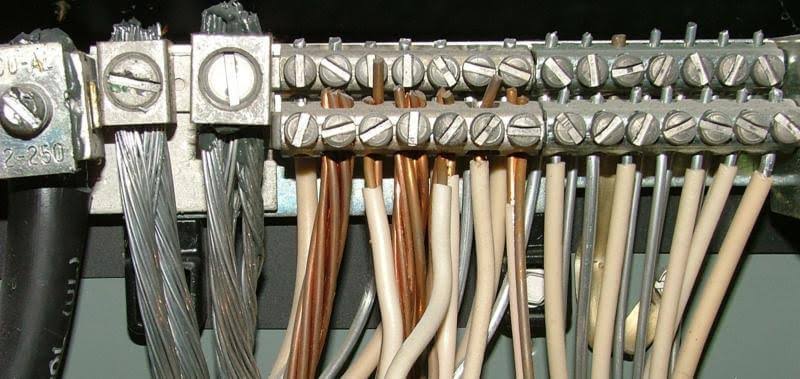
If your home was built between the mid-1960s and late-1970s, there's a chance it contains aluminum electrical wiring.
That doesn't automatically mean there's a problem, but it is something buyers, sellers, and homeowners should understand.
Why Was Aluminum Wiring Used?
During the 1960s and early 1970s, copper prices increased significantly. Builders began using aluminum wiring as a more affordable alternative in many residential homes.
Thousands of homes throughout Metro Vancouver were built during this period.
Is Aluminum Wiring Dangerous?
Not necessarily.
When properly installed and maintained, aluminum wiring can continue to perform safely. However, over time, aluminum expands and contracts more than copper. This movement can loosen electrical connections, potentially creating overheating issues if not properly addressed.
Because of this, insurance companies, home inspectors, and buyers often pay close attention when aluminum wiring is present.
Buying or Selling a Home With Aluminum Wiring
If you're buying a home, a professional home inspection can help determine the condition of the electrical system and whether any upgrades or safety improvements have been completed.
If you're selling, understanding your home's wiring before listing can help you answer buyer questions and avoid surprises during negotiations.
In some cases, simple improvements or documentation from a qualified electrician can provide buyers with additional confidence.
The Bottom Line
Aluminum wiring doesn't automatically reduce a home's value or make it unsafe.
Like many aspects of real estate, the condition of the home, proper maintenance, and expert guidance matter far more than assumptions.
Whether you're buying, selling, or simply planning ahead, understanding your home's electrical system helps you make more informed decisions.
Featured Video
Featured Listing : 505 E 28th Avenue, Vancouver
 The data relating to real estate on this website comes in part from the MLS® Reciprocity program of either the Real Estate Board of Greater Vancouver (REBGV), the Fraser Valley Real Estate Board (FVREB) or the Chilliwack and District Real Estate Board (CADREB). Real estate listings held by participating real estate firms are marked with the MLS® logo and detailed information about the listing includes the name of the listing agent. This representation is based in whole or part on data generated by either the REBGV, the FVREB or the CADREB which assumes no responsibility for its accuracy. The materials contained on this page may not be reproduced without the express written consent of either the REBGV, the FVREB or the CADREB.