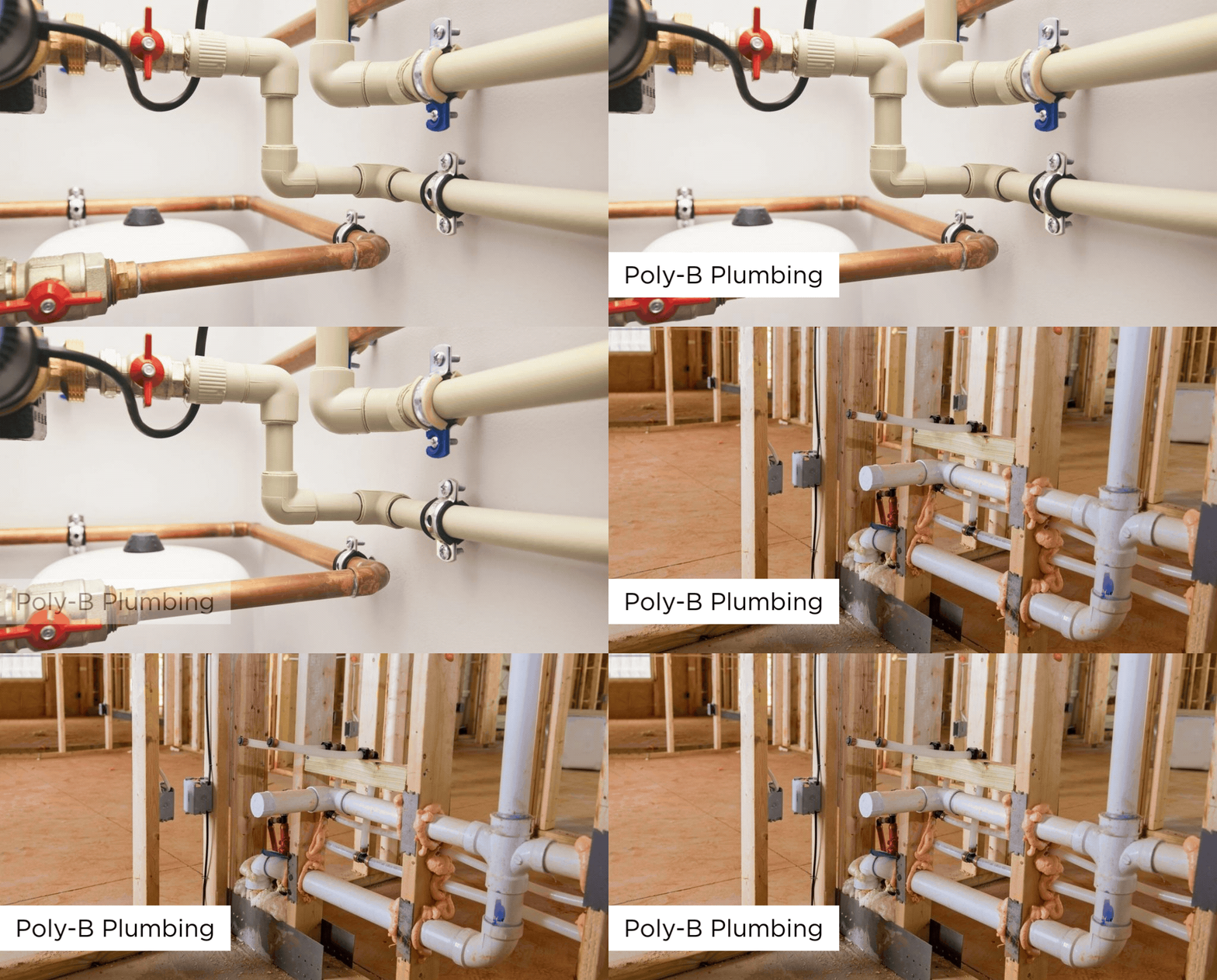
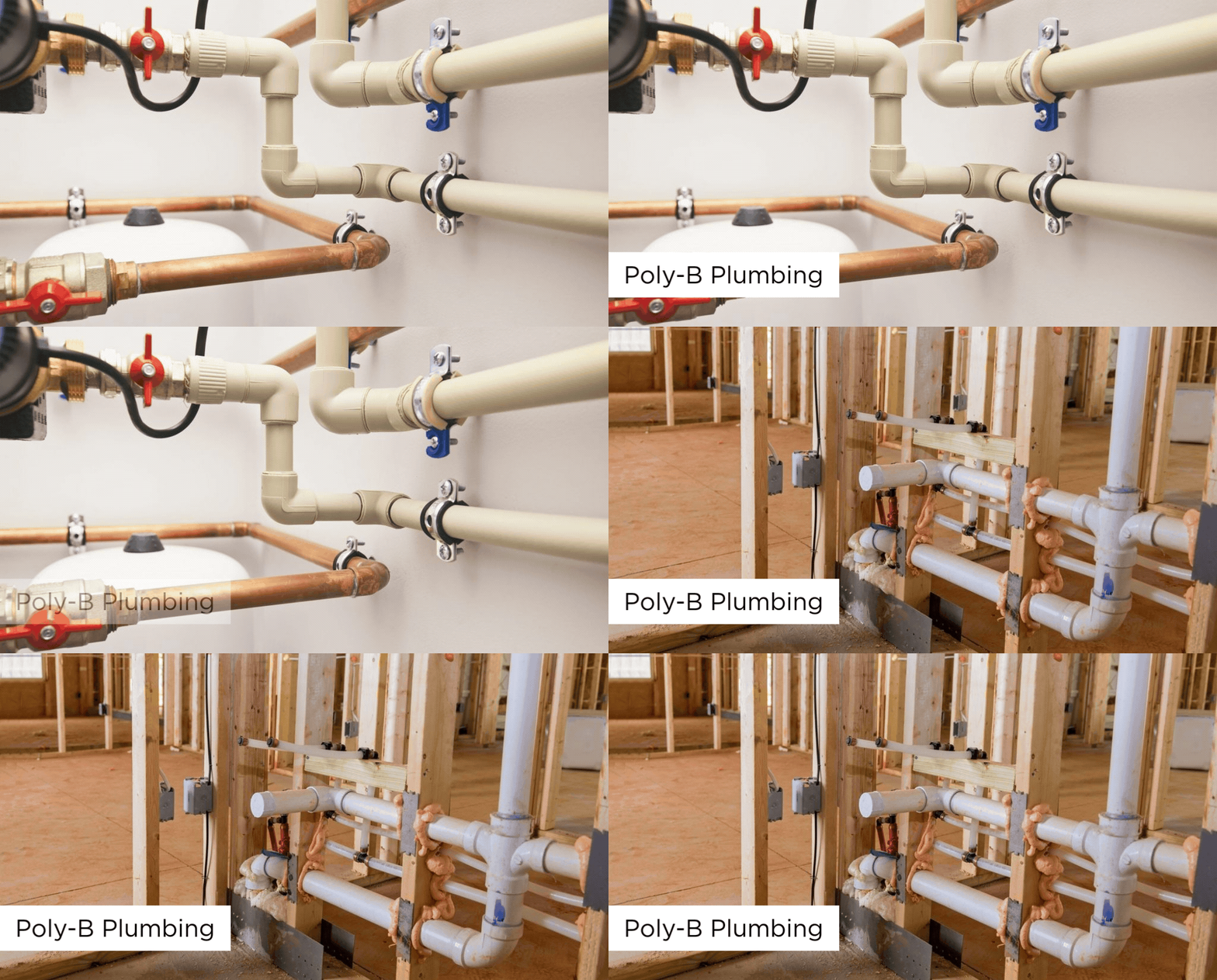
If your home was built between the late 1970s and the mid-1990s, there's a chance it contains Poly-B plumbing. While many homes with Poly-B continue to function without issues, it's one of the first things buyers, home inspectors, and insurance companies often look for during a real estate transaction.
Understanding what Poly-B is and how it may affect your home can help you make informed decisions, whether you're buying, selling, or simply planning for the future.
What Is Poly-B Plumbing?
Poly-B, short for polybutylene piping, is a flexible plastic plumbing material that was widely used in residential construction because it was affordable and easy to install.
Thousands of homes throughout Metro Vancouver and other parts of Canada were built with Poly-B plumbing during this period.
Why Is It a Concern?
Over time, Poly-B piping has been found to be more susceptible to deterioration than other plumbing materials. Factors such as water quality, pressure, and age can contribute to the pipes becoming brittle or developing leaks.
Not every home with Poly-B will experience problems, but because the material has a history of failures, many buyers and insurance providers pay close attention when it is present.
What Does This Mean for Homeowners?
If your home has Poly-B plumbing, it doesn't necessarily mean you need to replace it immediately.
However, it's a good idea to:
Know whether your home has Poly-B piping.
Have the plumbing inspected if you notice leaks or signs of wear.
Understand how it may affect your insurance coverage.
Be prepared to answer buyer questions if you're planning to sell.
For some homeowners, replacing the plumbing before listing can provide peace of mind and improve buyer confidence. For others, the existing system may continue to perform well for years. The best approach depends on the home's condition and your long-term plans.
The Bottom Line
Poly-B plumbing is one of several items that buyers often ask about during the home-buying process, but it shouldn't automatically discourage you from purchasing or selling a home.
The most important step is understanding the condition of the plumbing and seeking advice from qualified professionals when needed.
Every home is different, and having the right information allows you to make confident decisions.
 The data relating to real estate on this website comes in part from the MLS® Reciprocity program of either the Real Estate Board of Greater Vancouver (REBGV), the Fraser Valley Real Estate Board (FVREB) or the Chilliwack and District Real Estate Board (CADREB). Real estate listings held by participating real estate firms are marked with the MLS® logo and detailed information about the listing includes the name of the listing agent. This representation is based in whole or part on data generated by either the REBGV, the FVREB or the CADREB which assumes no responsibility for its accuracy. The materials contained on this page may not be reproduced without the express written consent of either the REBGV, the FVREB or the CADREB.