
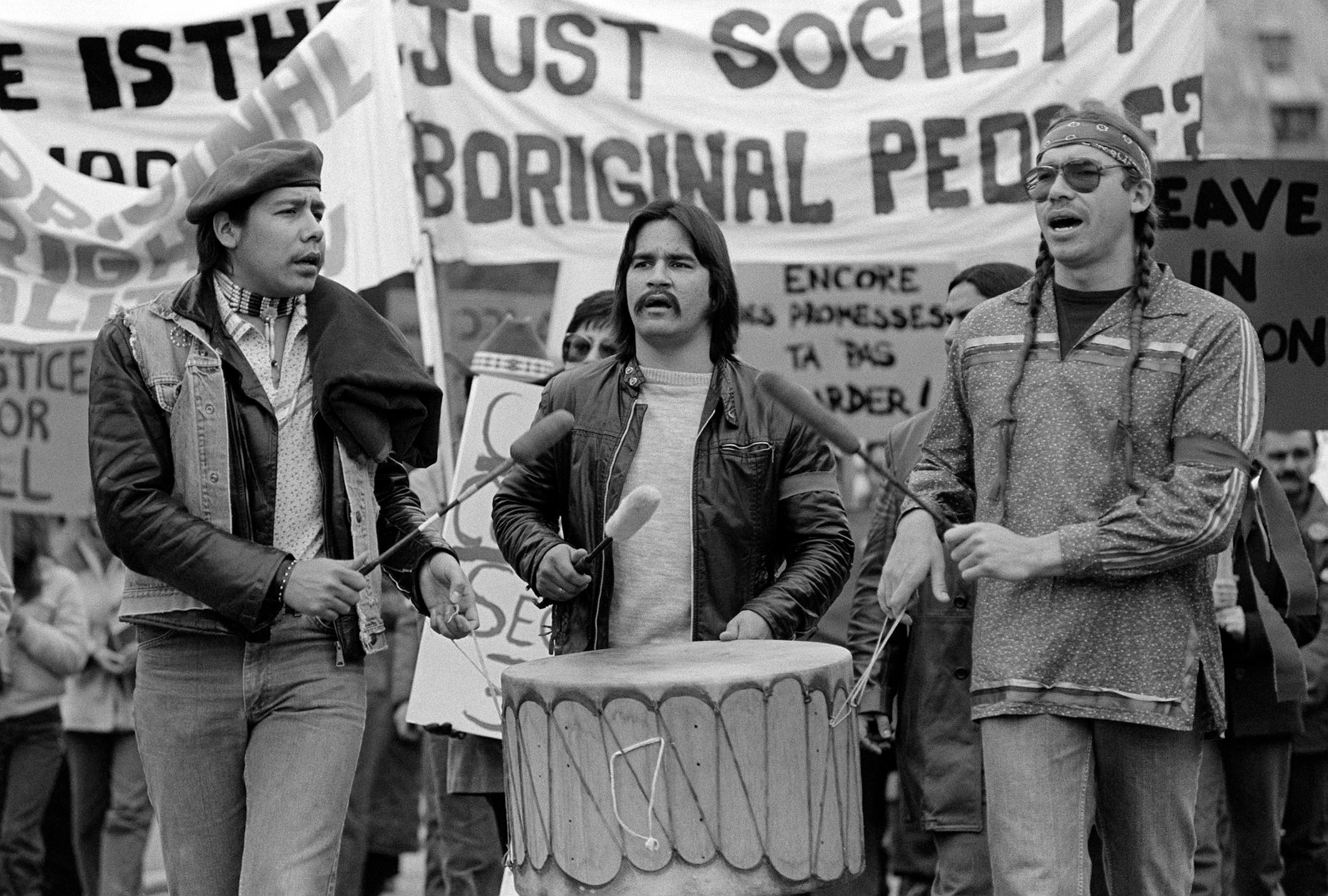
The Greater Vancouver real estate market is shaped by a wide range of factors, including interest rates, housing supply, and government policy. However, one of the most important—and often misunderstood—elements is the role of Indigenous land claims.
As British Columbia continues to address longstanding questions around land ownership and rights, these claims are beginning to influence real estate in meaningful ways.
What Are Indigenous Land Claims?
Indigenous land claims arise when First Nations assert ownership or rights over traditional territories that were never formally surrendered through treaties.
Unlike other parts of Canada, much of British Columbia is considered unceded land, making the negotiation process particularly significant in this region.
These claims are typically addressed through treaties, court decisions, or government negotiations, all of which can impact land use and development.
Impact on Development and Housing Supply
One of the most immediate effects of Indigenous land claims is on development timelines.
Before new projects can proceed, developers are often required to consult with First Nations. While this process is essential, it can sometimes extend approval timelines and affect the pace of new housing supply entering the market.
At the same time, these processes can lead to more thoughtful and sustainable development outcomes.
New Partnerships and Opportunities
An important trend emerging in recent years is the increase in partnerships between developers and First Nations.
These collaborations are opening the door to new housing projects, particularly on Indigenous-owned land, which can help address housing shortages while supporting economic development within First Nations communities.
What This Means for Buyers and Sellers
For buyers, understanding land claims can provide additional insight into future development and neighborhood changes.
For sellers, it’s an opportunity to better position properties by understanding how local developments and land use policies may evolve.
In some cases, properties near major development areas or Indigenous partnerships may see long-term value growth.
Indigenous land claims will continue to play a significant role in shaping the future of real estate in Greater Vancouver.
While they can introduce complexity, they also represent an important step toward reconciliation and more inclusive land use planning.
As the market continues to evolve, staying informed about factors like Indigenous land claims is essential for making confident real estate decisions.
If you’re considering buying or selling, working with a professional who understands these dynamics can help you navigate the market with clarity and confidence.
Have questions about how this impacts your real estate plans?
Reach out anytime—we’re here to help you make informed decisions in a changing market.

 The data relating to real estate on this website comes in part from the MLS® Reciprocity program of either the Real Estate Board of Greater Vancouver (REBGV), the Fraser Valley Real Estate Board (FVREB) or the Chilliwack and District Real Estate Board (CADREB). Real estate listings held by participating real estate firms are marked with the MLS® logo and detailed information about the listing includes the name of the listing agent. This representation is based in whole or part on data generated by either the REBGV, the FVREB or the CADREB which assumes no responsibility for its accuracy. The materials contained on this page may not be reproduced without the express written consent of either the REBGV, the FVREB or the CADREB.