RSS

The Hidden Cost of Development in Vancouver That’s Changing Everything

If you’re wondering why fewer projects are moving forward in Vancouver, the answer goes deeper than interest rates or demand.

It comes down to cost structure—and more specifically, government-driven costs.

The Big Number

Today, government-related costs make up roughly 20% to 35% of total development costs, with some projects approaching 40% or more.

That’s a significant shift from previous cycles.

Breaking Down the Costs

Direct Charges

These are the most visible:

  • DCLs

  • CACs

  • DCCs

  • Permits

In many cases, these alone can exceed $100,000 per unit.

Regulation-Driven Soft Costs

These include:

  • Design and engineering

  • Rezoning processes

  • Energy compliance

  • Professional fees

These costs have steadily increased over the past decade.

The Cost of Time

Delays act like a hidden tax:

  • Carrying costs increase

  • Inflation impacts construction

  • Project timelines stretch

Time is now one of the biggest financial risks in development.

Why It Feels Worse Today

Three key pressures:

1. Front-loaded costs
Developers pay before revenue is realized

2. Uncertainty
Rezoning and approvals are unpredictable

3. Compounding pressure
Higher rates + longer timelines + higher fees

The Key Insight

Government costs are now effectively a second land cost.

This changes how projects are evaluated:

  • If costs rise, land value must adjust

  • If it doesn’t, projects don’t move forward

Market Impact

This is directly contributing to:

  • Fewer pre-sale launches

  • Reduced investor demand

  • Slower absorption

  • Stalled rental development

This isn’t just a cost issue—it’s a structural shift in how real estate development works in Vancouver.

Understanding it is key to making informed decisions in today’s market.

Want to understand how this impacts your property or development potential?

Let’s have a strategic conversation.

Read

Where Have All the Investor Buyers Gone in BC Real Estate?

The real estate market in British Columbia is undergoing a structural shift—and one of the biggest changes is happening quietly.

Investor buyers, once a major driver of activity, have stepped back in a significant way.

The Big Picture

This isn’t just a slowdown.

It’s the result of multiple pressures hitting investors at the same time, fundamentally changing the risk-reward equation.

1. The Cash Flow Problem

Rising borrowing costs combined with softer rental income means many properties no longer generate positive cash flow.

This alone has changed investor behavior dramatically.

2. Government Intervention

Policies across all levels of government have targeted speculative demand.

The result is higher costs, more restrictions, and increased complexity for investors.

3. The Pre-Sale Shift

Pre-construction projects once relied heavily on investor participation.

With that demand reduced, developers are facing slower absorption and increased uncertainty.

4. Changing Market Psychology

The assumption that prices will always rise is no longer driving decisions.

Investors rely on momentum—and that momentum has softened.

5. Reduced Foreign Investment

Foreign capital, while not dominant in volume, played a key role in certain segments.

That demand has largely been removed.

6. Capital Rotation

With alternative investments offering competitive or better returns, capital has shifted away from real estate.

The Structural Shift

We’ve moved from:

Investor-driven market → End-user driven market

This has major implications:

  • More balanced conditions

  • Less speculative pressure

  • Greater importance on fundamentals

What This Means Going Forward

The absence of investors has created softer conditions—but also opportunity.

When key factors improve:

  • Interest rates stabilize

  • Rental markets tighten

  • Policy pressure eases

investors will return.

And historically, they return quickly.

Investor demand hasn’t disappeared permanently.

It’s paused—waiting for the numbers to make sense again.

If you want to understand how this shift impacts your real estate strategy, reach out today for a tailored conversation.

Read

The Highest Price Pitch What Sellers Need to Understand

One of the most common mistakes sellers make is choosing the agent who gives the highest price estimate. While it may feel reassuring, it can actually cost you time, momentum, and ultimately money.

Why Higher Estimates Happen

Some agents genuinely believe your home could command a premium price. This is more likely when inventory is low or your property has unique features.

However, in many cases, higher pricing is used as a tactic to secure the listing. Once the home is on the market and activity is low, price reductions follow.

The Risk of Overpricing

Today’s buyers are highly informed. They monitor new listings closely and understand market value.

If your home is overpriced at launch:

  • You lose your most important exposure window

  • Showings are limited

  • Buyers become skeptical

As time passes, your listing can feel stale, even if the property itself is not the issue.

Why This Leads to Lower Sale Prices

The pattern is consistent:

Overpricing leads to low activity
Low activity leads to price reductions
Price reductions weaken your negotiating position

In contrast, a well-priced home generates interest, competition, and often stronger offers.

What Sellers Should Focus On

Success in today’s market comes down to:

  • Accurate and strategic pricing

  • Strong early marketing

  • Creating urgency among buyers

The goal is not to test the market. It is to engage it immediately.

Ask Better Questions

Instead of focusing on price alone, ask your agent how they will create demand in the first two weeks.

That answer will reveal their true strategy.

The highest price estimate is not always the best strategy. The right approach is the one that positions your home to attract the most serious buyers from day one.

If you are considering selling and want a strategy tailored to today’s Vancouver market, reach out to Andrew and Jill Hasman for a consultation.

Read

Vancouver Rent Is Still Too High—Here’s What’s Really Happing

Despite recent headlines suggesting rent prices are easing, the reality for many Vancouver residents tells a different story. A large portion of renters still find themselves spending far beyond what’s considered affordable.

The 30% Rule Is Being Broken

Traditionally, housing is considered affordable if it costs no more than 30% of your income.

But in Vancouver:

  • Many renters exceed this threshold significantly

  • Some are allocating 50% or more of their income to rent

This creates financial strain and limits savings potential.

Why Rent Still Feels So Expensive

Even with slight rent declines:

  • Wages haven’t kept pace

  • Cost of living remains high

  • High demand persists in desirable neighborhoods

Additionally, Vancouver continues to rank among the most expensive rental markets in Canada.

Supply Is Rising—So Why Isn’t It Helping More?

There has been an increase in housing supply, which has contributed to:

  • Stabilizing rent prices

  • Slight year-over-year declines

However:

  • Demand is still strong

  • New units are often priced at premium levels

  • Older “affordable” units are limited

What This Means for Buyers and Sellers

This rental pressure creates ripple effects:

  • Renters may rush into homeownership sooner

  • Investors see continued rental demand

  • Sellers may benefit from increased buyer urgency

The Vancouver rental market is shifting—but not enough to relieve pressure for most residents.

Affordability remains the core issue, and until incomes and supply align more realistically, this challenge will persist.

Want to understand how this affects your real estate decisions?

👉 Reach out for a personalized strategy
👉 Or explore more market insights here:
https://andrewhasman.com/blog.html

Read

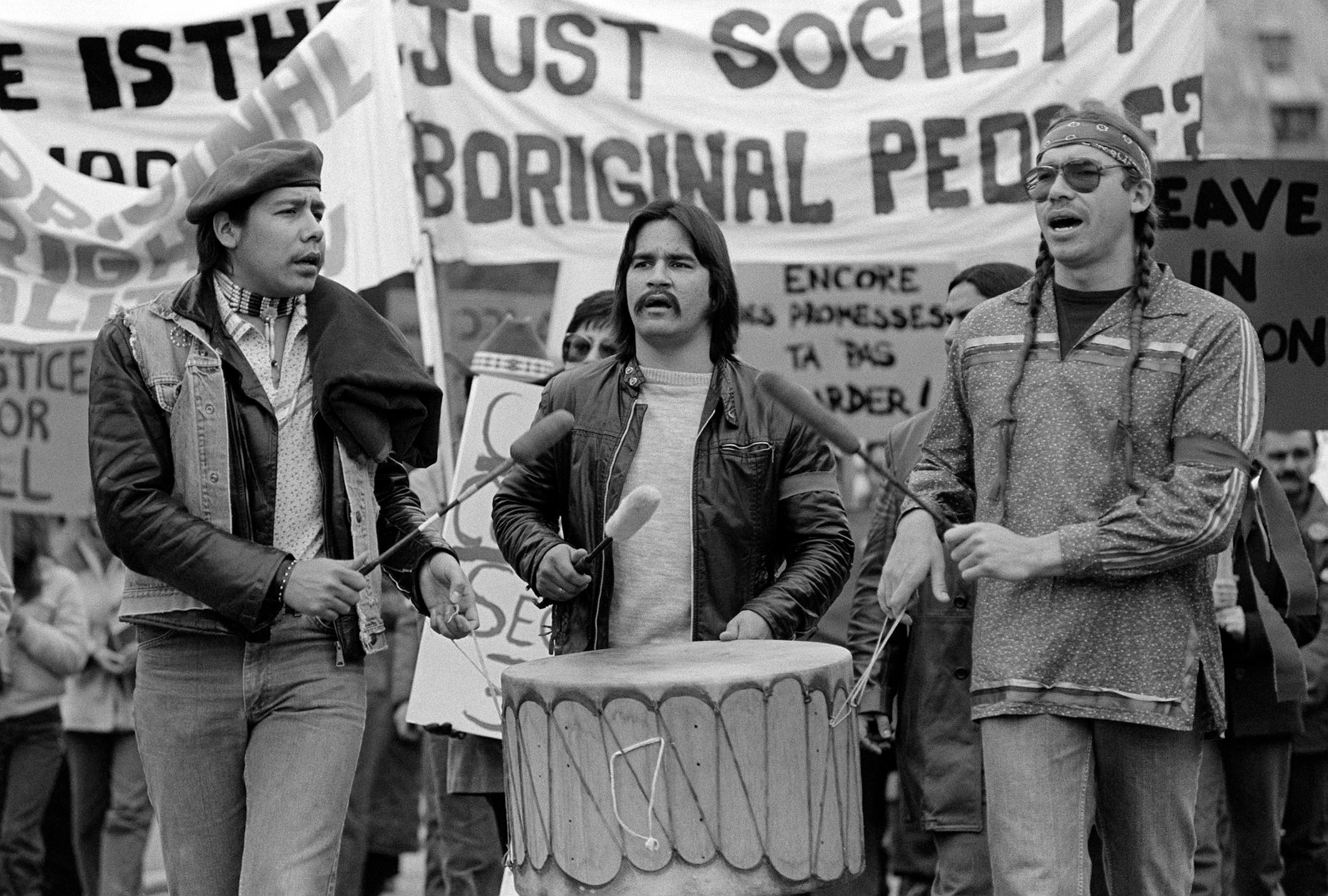
How Indigenous Land Claims Are Affecting the Greater Vancouver Real Estate Market

The Greater Vancouver real estate market is shaped by a wide range of factors, including interest rates, housing supply, and government policy. However, one of the most important—and often misunderstood—elements is the role of Indigenous land claims.

As British Columbia continues to address longstanding questions around land ownership and rights, these claims are beginning to influence real estate in meaningful ways.

What Are Indigenous Land Claims?

Indigenous land claims arise when First Nations assert ownership or rights over traditional territories that were never formally surrendered through treaties.

Unlike other parts of Canada, much of British Columbia is considered unceded land, making the negotiation process particularly significant in this region.

These claims are typically addressed through treaties, court decisions, or government negotiations, all of which can impact land use and development.

Impact on Development and Housing Supply

One of the most immediate effects of Indigenous land claims is on development timelines.

Before new projects can proceed, developers are often required to consult with First Nations. While this process is essential, it can sometimes extend approval timelines and affect the pace of new housing supply entering the market.

At the same time, these processes can lead to more thoughtful and sustainable development outcomes.

New Partnerships and Opportunities

An important trend emerging in recent years is the increase in partnerships between developers and First Nations.

These collaborations are opening the door to new housing projects, particularly on Indigenous-owned land, which can help address housing shortages while supporting economic development within First Nations communities.

What This Means for Buyers and Sellers

For buyers, understanding land claims can provide additional insight into future development and neighborhood changes.

For sellers, it’s an opportunity to better position properties by understanding how local developments and land use policies may evolve.

In some cases, properties near major development areas or Indigenous partnerships may see long-term value growth.

Indigenous land claims will continue to play a significant role in shaping the future of real estate in Greater Vancouver.

While they can introduce complexity, they also represent an important step toward reconciliation and more inclusive land use planning.

As the market continues to evolve, staying informed about factors like Indigenous land claims is essential for making confident real estate decisions.

If you’re considering buying or selling, working with a professional who understands these dynamics can help you navigate the market with clarity and confidence.

Have questions about how this impacts your real estate plans?

Reach out anytime—we’re here to help you make informed decisions in a changing market.

Read

What’s ACTUALLY happening (2026 BC Budget)

What the New 7% PST on Services Means for Vancouver Real Estate in 2026

In the British Columbia 2026 provincial budget, the government proposed expanding the Provincial Sales Tax (PST) to certain professional services.

  • Rate: 7% PST (this is NOT new, PST has always been 7%)

  • What’s new: The tax now applies to more services than before

Effective date: October 1, 2026 (if legislation passes)

Key Clarification

“7% tax on real estate commissions”

❌ This is misleading / partially incorrect

 Reality:

  • The 7% PST applies to non-residential (commercial) real estate services only

  • Residential real estate commissions are NOT included (as of now)

What services ARE affected?

Starting Oct 1, 2026, PST will apply to:

1. Professional Services

  • Accounting & bookkeeping

  • Architectural services

  • Engineering & geoscience

  • Security services

2. Real Estate (Important for your niche)

  • Commercial real estate commissions

  • Property management (rental, strata)

  • Real estate trading services

How this impacts Real Estate (Content Gold)

1. Higher transaction costs (Commercial)

  • Buyers & sellers of commercial properties will pay more closing costs

  • Commissions now include +7% PST

2. Increased operating costs

  • Property management fees now taxed

  • Likely passed down to:

    • Landlords

    • Tenants

    • Businesses

3. Potential ripple effect

Even though residential isn’t taxed directly:

  • Higher commercial costs → higher rents → affordability pressure

  • Developers face higher “soft costs” (design, engineering)

  • Could indirectly affect housing supply & pricing

Why the government is doing this

The province says:

  • BC has a narrow tax base on services

  • Other provinces already tax many of these services

  • This is meant to modernize the tax system

What’s still unclear

  • Final legislation is not yet fully confirmed (pending Royal Assent)

  • How mixed-use properties (residential + commercial) will be treated

  • Whether more services could be added later

Read

What’s ACTUALLY happening (2026 BC Budget)

What the New 7% PST on Services Means for Vancouver Real Estate in 2026

In the British Columbia 2026 provincial budget, the government proposed expanding the Provincial Sales Tax (PST) to certain professional services.

  • Rate: 7% PST (this is NOT new, PST has always been 7%)

  • What’s new: The tax now applies to more services than before

Effective date: October 1, 2026 (if legislation passes)

Key Clarification (VERY IMPORTANT for your content)

The statement:

“7% tax on real estate commissions”

This is misleading / partially incorrect

 Reality:

  • The 7% PST applies to non-residential (commercial) real estate services only

Residential real estate commissions are NOT included (as of now)

What services ARE affected?

Starting Oct 1, 2026, PST will apply to:

1. Professional Services

  • Accounting & bookkeeping

  • Architectural services

  • Engineering & geoscience

  • Security services

2. Real Estate (Important for your niche)

  • Commercial real estate commissions

  • Property management (rental, strata)

  • Real estate trading services

How this impacts Real Estate (Content Gold)

1. Higher transaction costs (Commercial)

  • Buyers & sellers of commercial properties will pay more closing costs

  • Commissions now include +7% PST

2. Increased operating costs

  • Property management fees now taxed

  • Likely passed down to:

    • Landlords

    • Tenants

    • Businesses

3. Potential ripple effect

Even though residential isn’t taxed directly:

  • Higher commercial costs → higher rents → affordability pressure

  • Developers face higher “soft costs” (design, engineering)

  • Could indirectly affect housing supply & pricing

Why the government is doing this

The province says:

  • BC has a narrow tax base on services

  • Other provinces already tax many of these services

  • This is meant to modernize the tax system

What’s still unclear

  • Final legislation is not yet fully confirmed (pending Royal Assent)

  • How mixed-use properties (residential + commercial) will be treated

  • Whether more services could be added later


Read

Bank of Canada delivers another Jumbo rate cut!

Bank of Canada announced a 50 bps rate cut. Listen to my colleague, Jeff Benna, and I as we discuss the implications.
Watch the video here.

We operate in an industry built on trust, which can only be achieved through communication and great experiences—from the first contact to the closing of the transaction and beyond. 
A Reputation Built on Integrity & Trust | Andrew and Jill Hasman | Vancouver Realtors | Realtor

Read

“Anticipation Builds, what will the Bank of Canada do this week? Is it 25 or 50 points down?”

Bank of Canada is expected to cut its benchmark rate on Wednesday, December 11th. Will it be a 25 or 50-basis point cut? Listen to our perspectives | Andrew Hasman and Jeff Benna from REMAX.

Watch the video, click here.

We operate in an industry built on trust, which can only be achieved through communication and great experiences—from the first contact to the closing of the transaction and beyond. 
A Reputation Built on Integrity & Trust | Andrew and Jill Hasman | Vancouver Realtors | Realtor

Read

Bank of Canada reduces policy rate by 50 basis points to 3¾%

The Bank of Canada today reduced its target for the overnight rate to 3¾%, with the Bank Rate at 4% and the deposit rate at 3¾%. The Bank is continuing its policy of balance sheet normalization.

The Bank continues to expect the global economy to expand at a rate of about 3% over the next two years. Growth in the United States is now expected to be stronger than previously forecast while the outlook for China remains subdued. Growth in the euro area has been soft but should recover modestly next year. Inflation in advanced economies has declined in recent months, and is now around central bank targets. Global financial conditions have eased since July, in part because of market expectations of lower policy interest rates. Global oil prices are about $10 lower than assumed in the July Monetary Policy Report (MPR).

In Canada, the economy grew at around 2% in the first half of the year and we expect growth of 1¾% in the second half. Consumption has continued to grow but is declining on a per person basis. Exports have been boosted by the opening of the Trans Mountain Expansion pipeline. The labour market remains soft—the unemployment rate was at 6.5% in September. Population growth has continued to expand the labour force while hiring has been modest. This has particularly affected young people and newcomers to Canada. Wage growth remains elevated relative to productivity growth. Overall, the economy continues to be in excess supply.

GDP growth is forecast to strengthen gradually over the projection horizon, supported by lower interest rates. This forecast largely reflects the net effect of a gradual pick up in consumer spending per person and slower population growth. Residential investment growth is also projected to rise as strong demand for housing lifts sales and spending on renovations. Business investment is expected to strengthen as demand picks up, and exports should remain strong, supported by robust demand from the United States.

Overall, the Bank forecasts GDP growth of 1.2% in 2024, 2.1% in 2025, and 2.3% in 2026. As the economy strengthens, excess supply is gradually absorbed.

CPI inflation has declined significantly from 2.7% in June to 1.6% in September. Inflation in shelter costs remains elevated but has begun to ease. Excess supply elsewhere in the economy has reduced inflation in the prices of many goods and services. The drop in global oil prices has led to lower gasoline prices. These factors have all combined to bring inflation down. The Bank’s preferred measures of core inflation are now below 2½%. With inflationary pressures no longer broad-based, business and consumer inflation expectations have largely normalized.

The Bank expects inflation to remain close to the target over the projection horizon, with the upward and downward pressures on inflation roughly balancing out. The upward pressure from shelter and other services gradually diminishes, and the downward pressure on inflation recedes as excess supply in the economy is absorbed.

With inflation now back around the 2% target, Governing Council decided to reduce the policy rate by 50 basis points to support economic growth and keep inflation close to the middle of the 1% to 3% range. If the economy evolves broadly in line with our latest forecast, we expect to reduce the policy rate further. However, the timing and pace of further reductions in the policy rate will be guided by incoming information and our assessment of its implications for the inflation outlook. We will take decisions one meeting at a time. The Bank is committed to maintaining price stability for Canadians by keeping inflation close to the 2% target.

Information note

The next scheduled date for announcing the overnight rate target is December 11, 2024. The Bank will publish its next full outlook for the economy and inflation, including risks to the projection, in the MPR on January 29, 2025.

first published at Bank of Canada reduces policy rate by 50 basis points to 3¾% - Bank of Canada

Read
Reciprocity Logo The data relating to real estate on this website comes in part from the MLS® Reciprocity program of either the Greater Vancouver REALTORS® (GVR), the Fraser Valley Real Estate Board (FVREB) or the Chilliwack and District Real Estate Board (CADREB). Real estate listings held by participating real estate firms are marked with the MLS® logo and detailed information about the listing includes the name of the listing agent. This representation is based in whole or part on data generated by either the GVR, the FVREB or the CADREB which assumes no responsibility for its accuracy. The materials contained on this page may not be reproduced without the express written consent of either the GVR, the FVREB or the CADREB.