RSS

New normal for Metro Vancouver’s housing market continues

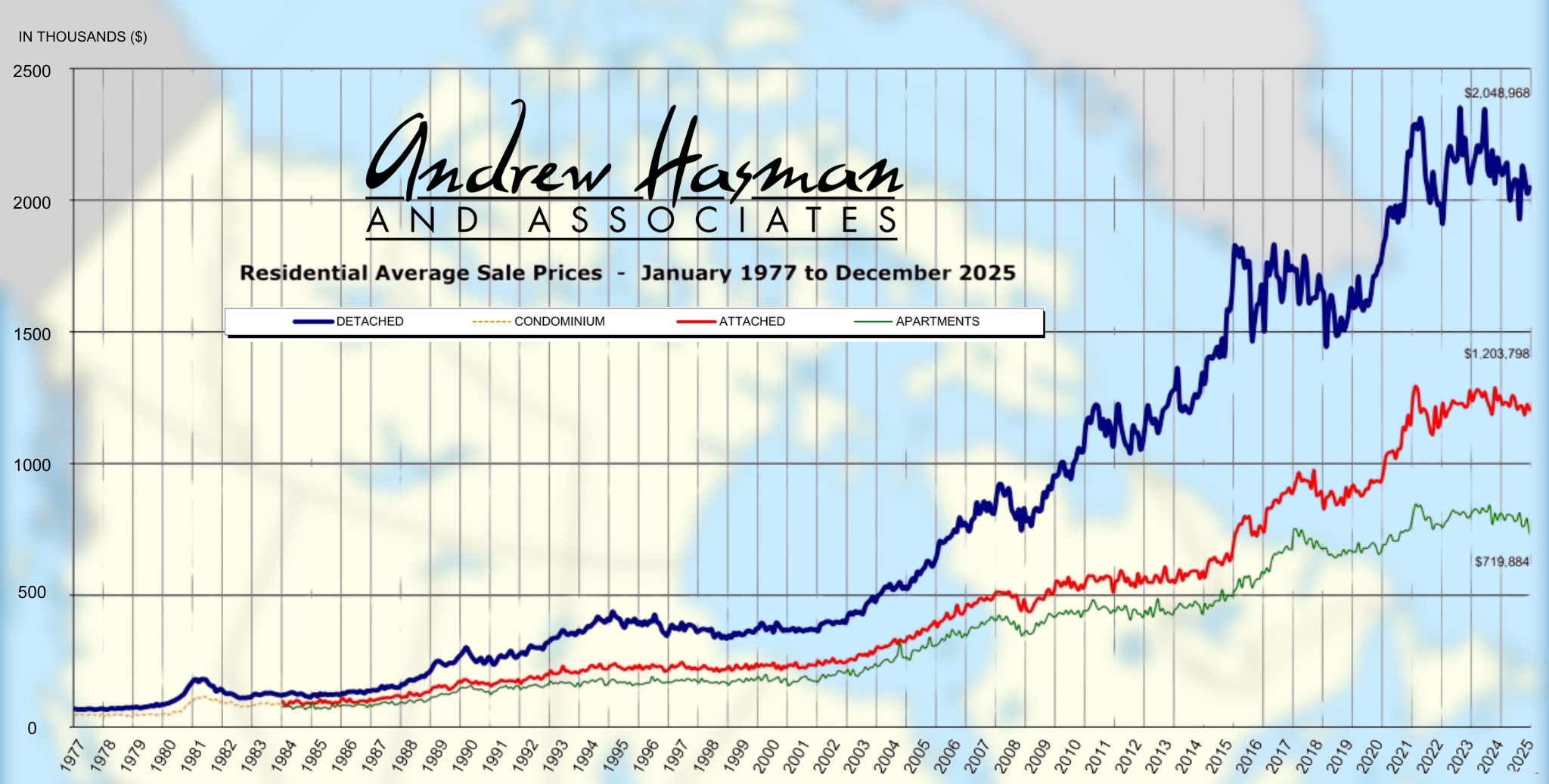
VANCOUVER, BC – March 3, 2026 – Metro Vancouver* home sales registered on the MLS® in February continued the recent trend of slower-than-average sales, seeing a ten per cent decline over the same period last year.

The Greater Vancouver REALTORS® (GVR) reports that residential sales in the region totalled 1,648 in February 2026, a 9.8 per cent decrease from the 1,827 sales recorded in February 2025. This was 28.7 per cent below the 10-year seasonal average (2,310).

“With each passing data point, the pace of sales running well-below long-term averages are no longer a surprise – it’s become the new norm,” said Andrew Lis, GVR chief economist and vice-president data analytics.

“A surprising finding this February, however, is that home sellers appear less eager to list their homes relative to last year with new listings down about seven percent, mostly driven by fewer listings in the apartment segment.”

There were 4,734 detached, attached and apartment properties newly listed for sale on the Multiple Listing Service® (MLS®) in Metro Vancouver in February 2026. This represents a 6.4 per cent decrease compared to the 5,057 properties listed in February 2025. This was 7.1 per cent above the 10-year seasonal average (4,421).

The total number of properties currently listed for sale on the MLS® system in Metro Vancouver is 13,545, a 6.3 per cent increase compared to February 2025 (12,744). This is 37 per cent above the 10-year seasonal average (9,886). Across all detached, attached and apartment property types, the sales-to-active listings ratio for February 2026 is 12.6 per cent. By property type, the ratio is nine per cent for detached homes, 16.6 per cent for attached, and 14.1 per cent for apartments.

Read

“The Missing Middle”

What Is “The Missing Middle” in Vancouver and Why It Matters in 2026

A Complete Guide to Medium-Density Housing, Market Trends, and Why This Shift Could Reshape Vancouver Real Estate

Vancouver’s housing crisis remains one of Canada’s most urgent urban challenges. With home prices and rental costs continuing to outpace incomes in 2026, many residents — from first-time buyers to families and local workers — are finding fewer housing choices that fit their needs and budgets.

Enter the “Missing Middle” — a planning concept gaining traction as a practical solution to provide more diverse housing options across Vancouver’s established neighbourhoods.

What Is the Missing Middle? A Simple Definition

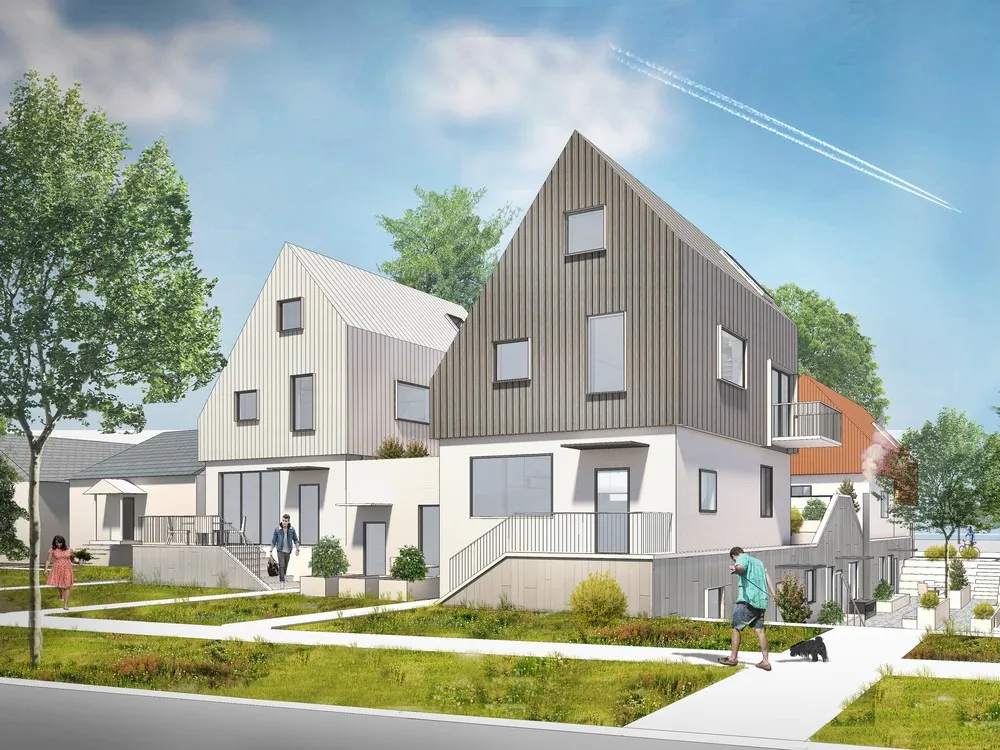
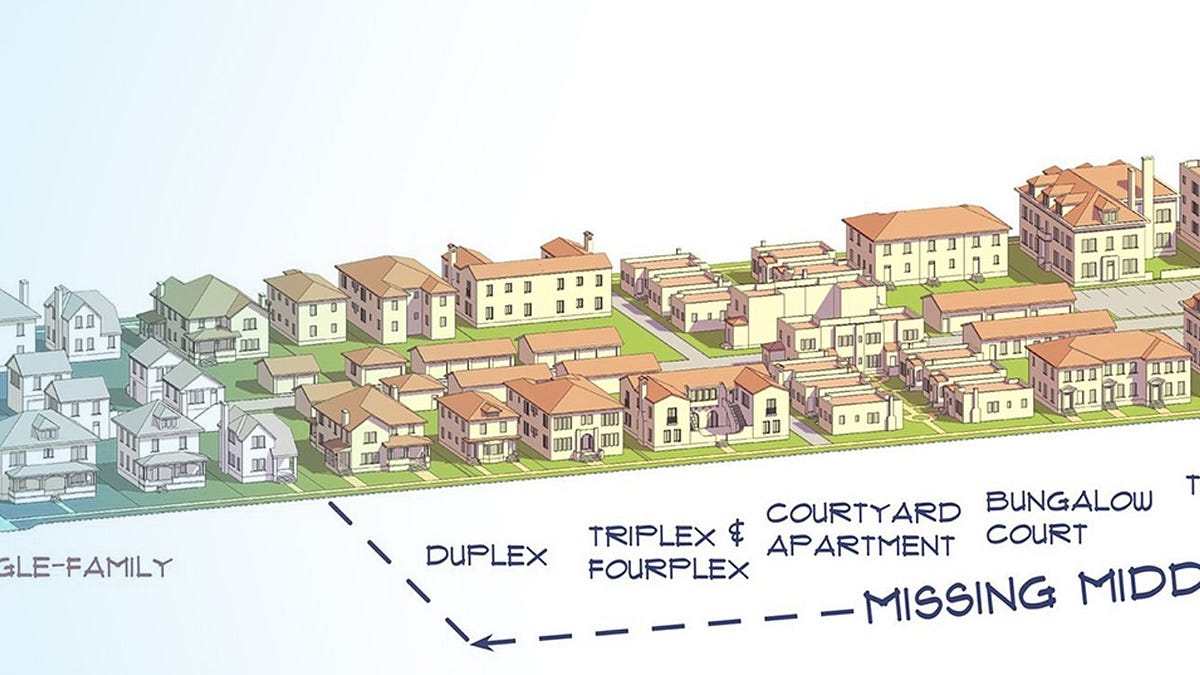
Missing Middle housing refers to medium-density residential building types that fall between traditional single-family detached homes and high-rise apartment towers. These include:

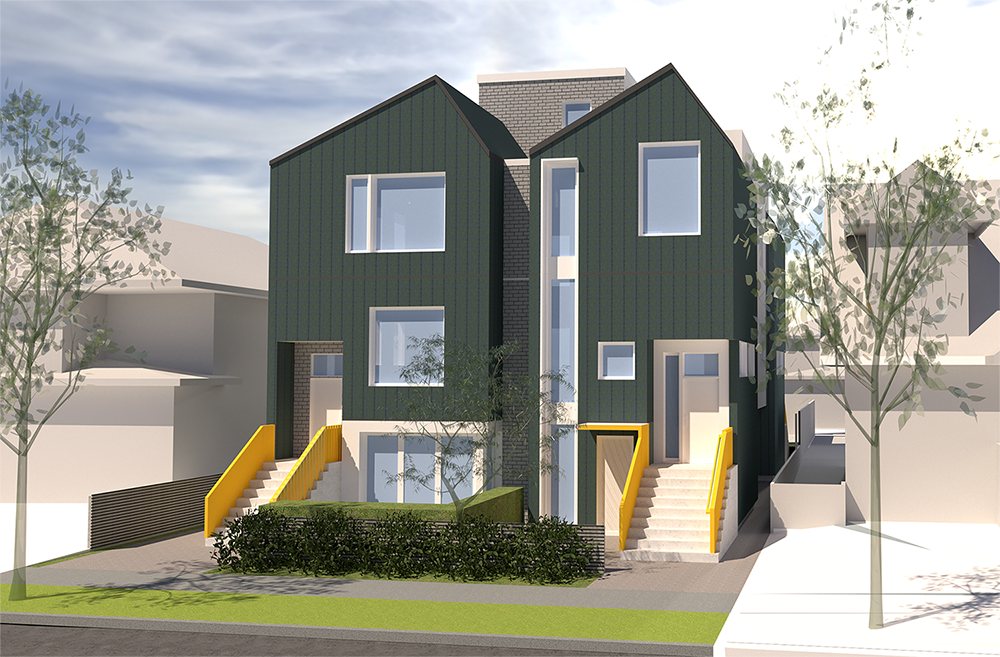
  • Duplexes 

  • Triplexes and fourplexes

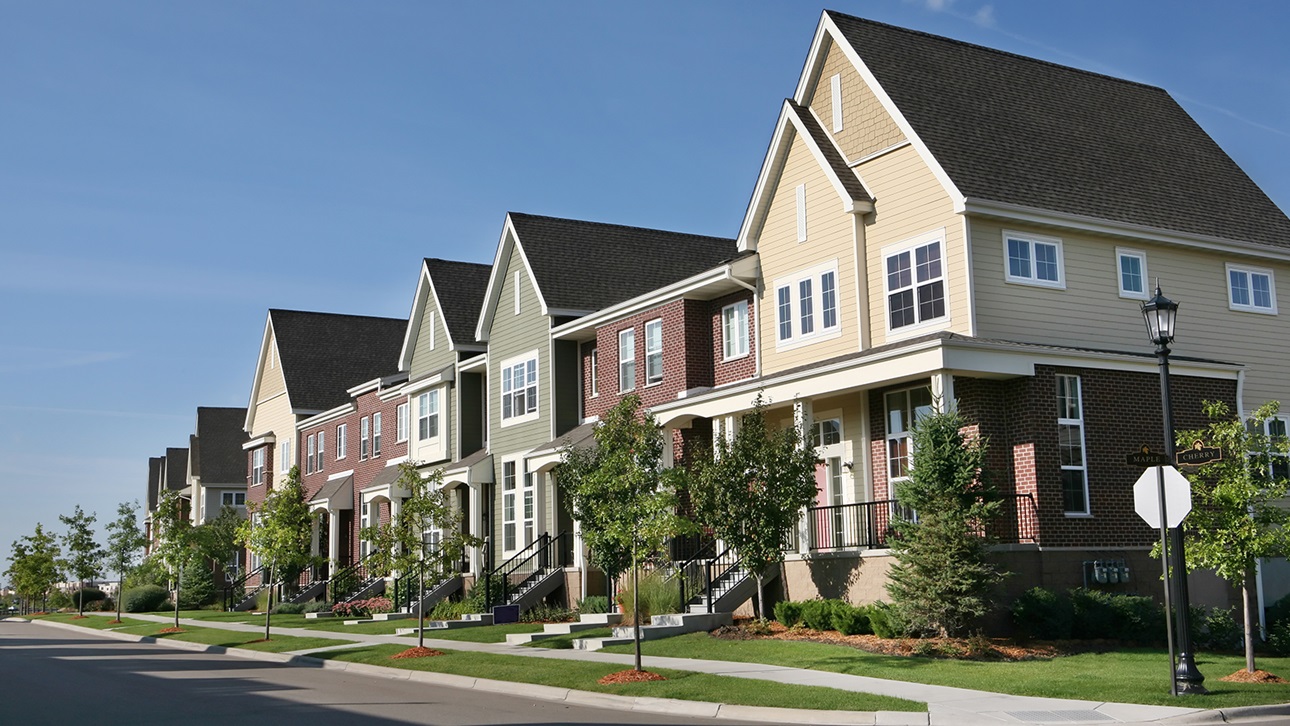
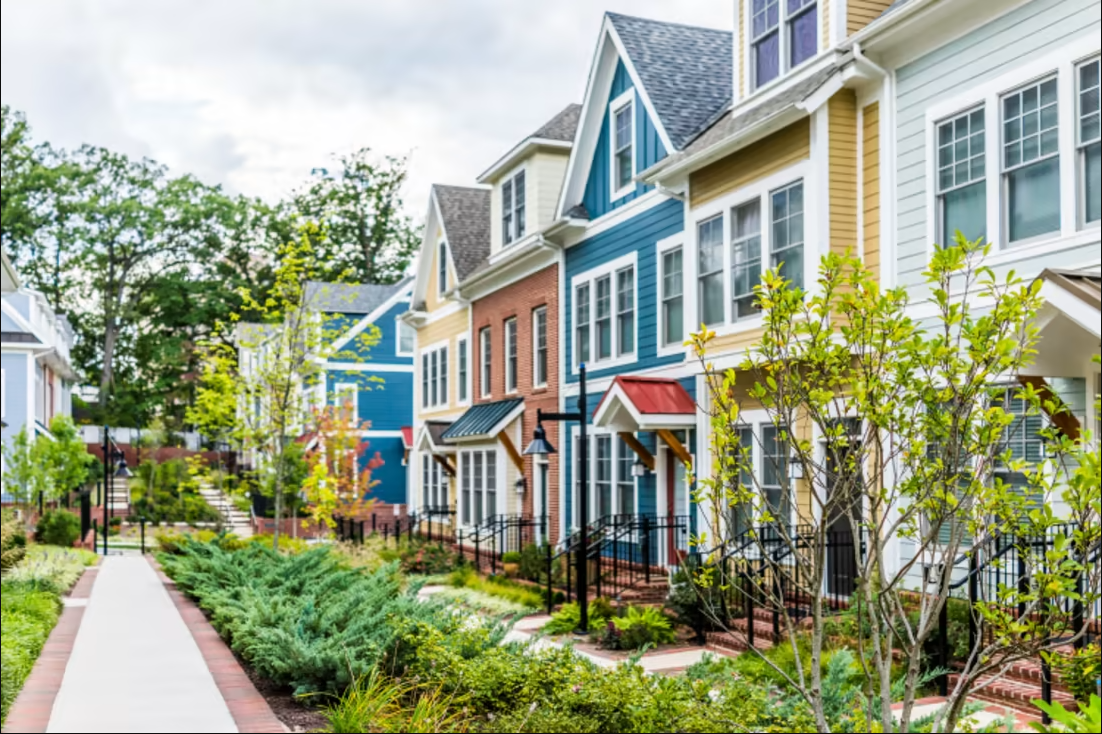
  • Townhomes and rowhouses

  • Backyard cottages and laneway housing

  • Low-rise courtyard apartments

These housing forms were common in Vancouver’s early urban fabric but largely vanished due to decades of zoning that favoured single-family homes on large lots or concentrated density in towers.

The term was popularized by architect Daniel Parolek in 2010 to describe this gap in housing types, which is exactly what many middle-income households need. Missing Middle is not a buzzword; it’s a market segment with real implications for affordability, community diversity, and urban sustainability.

Why Is It Missing? A Brief Zoning History

After World War II, cities across North America, including Vancouver, shifted toward zoning that separated land uses and prioritized single-family homes. These policies:

  • Excluded duplexes and multi-unit homes from most residential areas

  • Encouraged detached homes with yards and car-oriented design

  • Concentrated higher density into limited areas (often near transit or downtown)

As a result, mid-scale housing options disappeared from many desirable neighbourhoods. Today, that legacy constrains supply and pushes up prices — especially in established parts of Vancouver where most people want to live, work, and raise families.

The Two Gaps the Missing Middle Addresses

1. The Physical Gap

There is a shortage of housing forms that sit between large detached homes and tall towers. These missing options would:

  • Provide more units on existing residential land

  • Deliver homes with more design variety and flexibility

  • Support multi-generation living and infill development

This physical gap means that many households must either pay for oversized detached homes or live in distant suburbs or high-rise buildings, with fewer choices in between.

2. The Demographic Gap

The Missing Middle isn’t just about buildings — it’s about people:

  • Teachers and nurses priced out of single-family markets

  • Young professionals seeking space but unable to afford big homes

  • Seniors wanting to age in their community

  • Families needing more room than a condo but less cost than a house

Without mid-scale housing, these key community members are increasingly pushed out, reducing diversity and weakening neighbourhood vitality.


Vancouver’s 2026 Housing Market Snapshot (Why Middle Housing Matters Now)

In early 2026, Vancouver’s housing market remains relatively soft compared to historical norms — a context where Missing Middle housing can play an important role. Recent MLS data shows:

Sales and Inventory Trends (January 2026)

  • Residential sales in Metro Vancouver: 1,107 units — down ~28.7% from January 2025 and ~31% below the 10-year seasonal average.

  • New listings: 5,157 properties, slightly lower than last year but well above long-term norms.

  • Active listings: 12,628, a 9.9% increase from last year and 38% above the 10-year average.

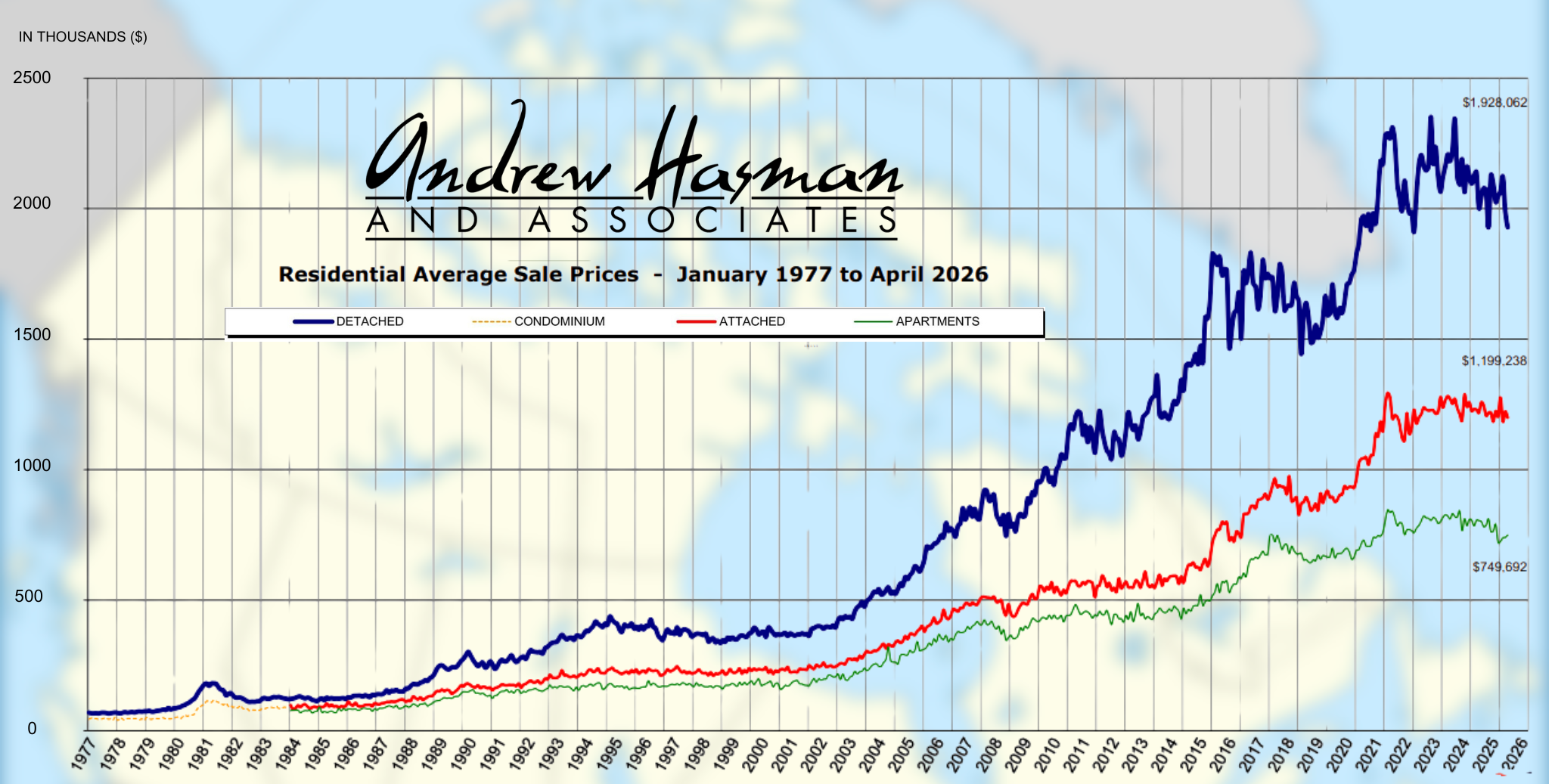
  • Benchmark price (all residential types): ~$1,101,900, modestly lower year-over-year.

Home Type Breakdown (January 2026)

Property Type

Benchmark Price

Year-Over-Year Change

Detached Homes

~$1,850,800

↓ ~7.3%

Townhomes

~$1,043,400

↓ ~5.4%

Apartments

~$704,600

↓ ~5.9%

These figures show a market with higher inventory and slower sales, especially compared to the frenzied markets of the past decade. A slower market and more cautious buyers create an ideal window for broader housing choices beyond the typical detached house or tower condo.

How Vancouver Is Implementing Missing Middle Housing

In response to zoning limitations and affordability challenges, Vancouver has enacted major policy changes:

Multiplex Zoning Across Residential Areas

Under recent zoning reforms connected to the Vancouver Plan and provincial legislation, most R1 residential lots are now in a single inclusive zone that allows:

  • Multiplexes — duplexes, triplexes, and fourplexes — on standard lots

  • Up to six to eight units per lot in some cases

  • Reduced barriers for infill housing types across neighbourhoods

These changes aim to expand housing choice citywide, not just near transit or in high-density areas.

Streamlined Approvals and Reduced Regulation

City planners have also reworked development rules to:

  • Simplify permit processes

  • Reduce wait times

  • Remove outdated requirements for medium-scale projects

This makes Missing Middle housing more feasible for both builders and homeowners.

Key Benefits of Missing Middle Housing

Boosts Housing Supply

More units in mid-scale forms help increase supply, which eases price pressure and gives buyers and renters more options.

Improves Affordability & Flexibility

Multiplex and townhome units distribute land costs across multiple homes, often resulting in more affordable options than single houses.

Supports Walkable, Sustainable Cities

These housing types typically fit into existing neighbourhoods close to transit, shops, and schools — promoting walkability and reducing car dependency.

Strengthens Communities

Compared with tall towers or distant development, medium-density housing often fosters stronger neighbourhood interaction and stability.

Challenges and Considerations

Despite positive movement, several challenges remain:

  • Community Resistance: Some residents worry about neighbourhood character changes or infrastructure strain.

  • Profitability for Builders: Medium-density projects are often less profitable than high-rise developments, which affects what gets built.

  • Equity and Preservation: Without strong renter protections, redevelopment can displace existing residents if not carefully managed.

What This Means for Buyers, Sellers & Investors in 2026

For Buyers:

  • Greater variety of housing types to consider

  • Improved chances at affordable options in desirable neighbourhoods

  • Possibility of negotiating more favorable terms in a slower market

For Sellers & Homeowners:

  • Corner lots and larger lots with multiplex potential may see higher interest

  • Holding property for future development upside could be strategic

  • Opportunity to convert existing lots into income-generating properties

For Investors:

  • Medium-density housing provides diversification beyond towers and condos

  • Balancing rental income with community demand for long-term residents

Vancouver Neighbourhoods Where Missing Middle Could Make a Big Impact

Areas with strong demand but limited supply are prime candidates for Missing Middle housing:

  • Kitsilano

  • Mount Pleasant

  • Dunbar

  • Kerrisdale

These communities blend proximity to amenities with residential character — and are ideal places for thoughtful medium-density infill.

Conclusion: A Middle Path Worth Pursuing in 2026

As Vancouver enters 2026 with softer sales and elevated inventory, there’s a major opportunity to reshape how housing gets created and who gets to live in this city. The Missing Middle isn’t a cure-all, but it is a practical and scalable solution to provide more choices, improve affordability, and build sustainable neighbourhoods.

As policy continues to evolve and market conditions shift, Missing Middle housing offers a balanced approach that helps make Vancouver more livable for families, professionals, and long-time residents alike.

Read

New year, same housing market in Metro Vancouver

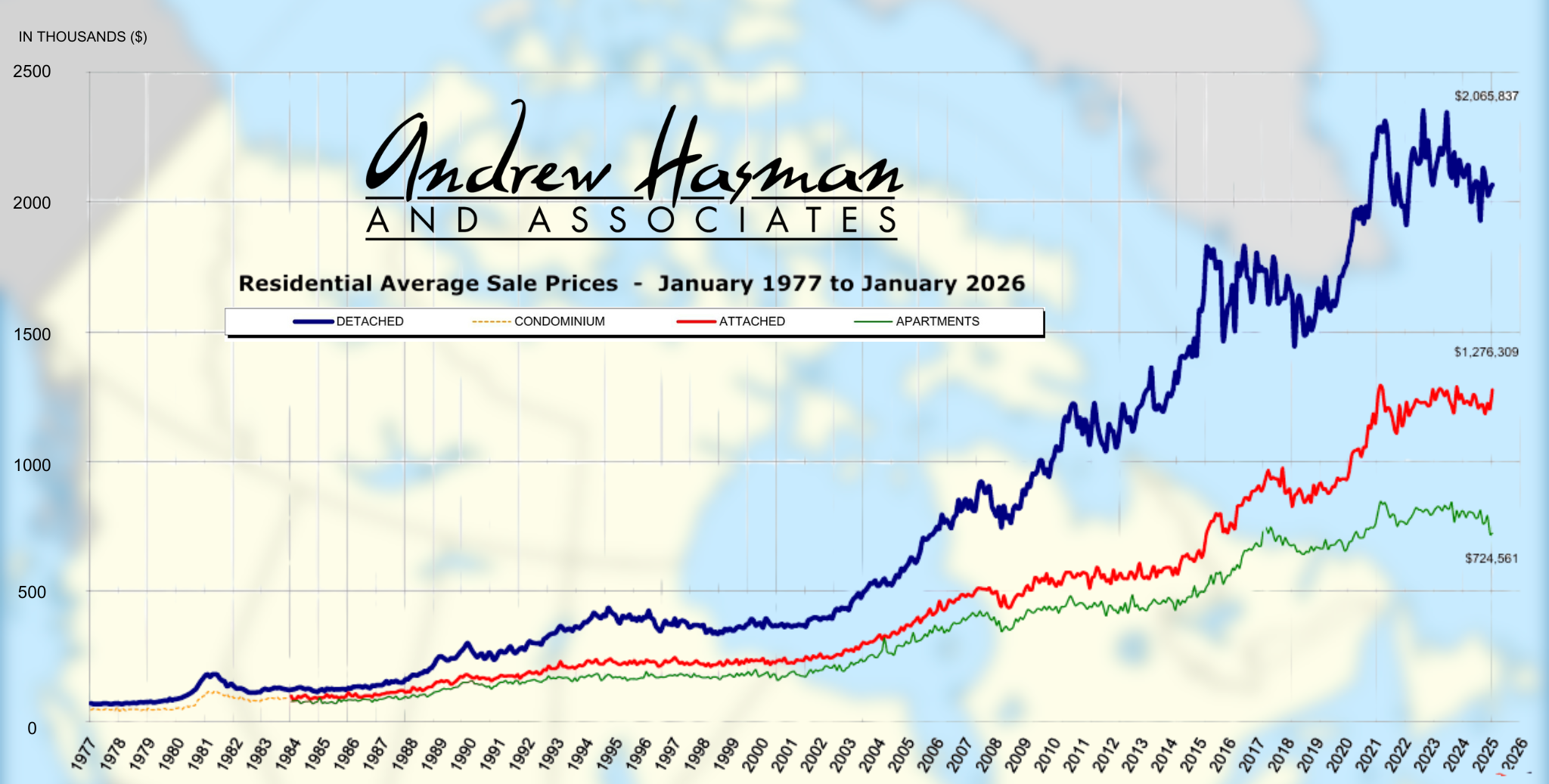
VANCOUVER, BC – February 3, 2026 – Last year’s market trends continued in January as home sales registered on the MLS® in Metro Vancouver* were 28.5 per cent lower than last year, setting the year off to a quieter start.

The Greater Vancouver REALTORS® (GVR) reports that residential sales in the region totalled 1,107 in January 2026, a 28.7 per cent decrease from the 1,552 sales recorded in January 2025. This was 30.9 per cent below the 10-year seasonal average (1,602).

“On their own, the January sales appear alarming, but it’s important to put these figures in the context of the past few years. Last year ended with one of the lowest sales totals in over two decades, and so it’s not surprising that the January sales figures were fourth slowest in over two decades as well,” said Andrew Lis, GVR’s chief economist and vice-president, data analytics.

“Market momentum is a slowly evolving force, and in many ways, the January figures represent a market that continues slowly evolving to what may be a new normal.”

There were 5,157 detached, attached and apartment properties newly listed for sale on the Multiple Listing Service® (MLS®) in Metro Vancouver in January 2026. This represents a 7.3 per cent decrease compared to the 5,566 properties listed in January 2025.

This was 19.4 per cent above the 10-year seasonal average (4,318). The total number of properties currently listed for sale on the MLS® system in Metro Vancouver is 12,628, a 9.9 per cent increase compared to January 2025 (11,494). This is 38 per cent above the 10-year seasonal average (9,153).

Read

2025 saw lowest annual sales total in over two decades

VANCOUVER, B.C. – January 5, 2026 – Home sales registered in the Multiple Listing Service® (MLS®) in Metro Vancouver* finished the year down 10 per cent, marking the lowest annual sales total in over twenty years.

The Greater Vancouver REALTORS® (GVR) reports that residential sales in the region totalled 23,800 in 2025, a 10.4 per cent decrease from the 26,561 sales recorded in 2024, and a 9.3 per cent decrease from the 26,249 sales in 2023. Last year’s sales total was 24.7 per cent below the 10-year annual sales average (31,625).

“This year was one for the history books,” said Andrew Lis, GVR’s chief economist and vicepresident, data analytics. “Although the sales total was the lowest in over two decades, Realtors were still busy listing properties. Sellers brought the highest total of listings to market on record since the mid-1990s, eclipsing the previous record high in 2008 by a little over 1,000 listings.”

Properties listed on the MLS® in Metro Vancouver totalled 65,335 in 2025. This represents an 8.2 per cent increase compared to the 60,388 properties listed in 2024. This was 28.4 per cent above the 50,893 properties listed in 2023.

The total number of properties listed last year was 13.1 per cent above the region’s 10-year total annual average of (57,782). Currently, the total number of homes listed for sale on the MLS® system in Metro Vancouver is 12,550, a 14.6 per cent increase compared to December 2024 (10,948). This is 34.8 per cent above the 10-year seasonal average (9,308).

Read

Easing home prices help lift sales in August

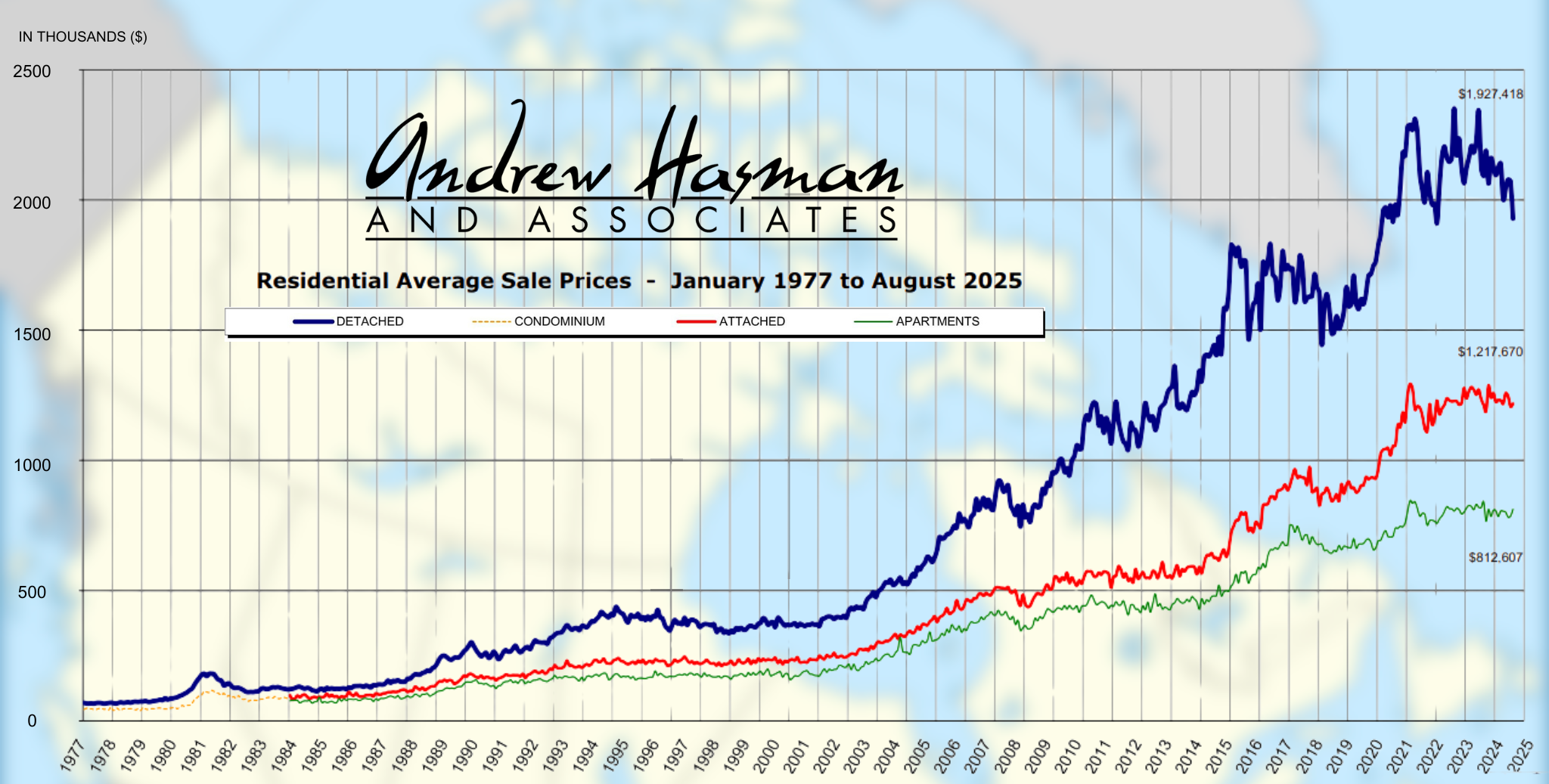
VANCOUVER, B.C. – September 3, 2025 – Easing prices brought more Metro Vancouver*homebuyers off the sidelines in August, with home sales on the MLS® up nearly three percent from August last year. The Greater Vancouver REALTORS® (GVR) reports that residential sales in the region totalled1,959 in August 2025, a 2.9 per cent increase from the 1,904 sales recorded in August 2024.This was 19.2 per cent below the 10-year seasonal average (2,424).

“The August sales figures add further confirmation that sales activity across Metro Vancouver appears to be recovering, albeit somewhat slowly, from the challenging first half of the year,” said Andrew Lis, GVR’s director of economics and data analytics. “Sales in the detached and attached segments are up over ten per cent from last August, which suggests buyers shopping in more expensive price points are re-entering the market in a meaningful way.”

There were 4,225 detached, attached and apartment properties newly listed for sale on the Multiple Listing Service® (MLS®) in Metro Vancouver in August 2025. This represents a 2.8 percent increase compared to the 4,109 properties listed in August 2024. This was 1.3 per cent above the 10-year seasonal average (4,172).

Analysis of the historical data suggests downward pressure on home prices occurs when the ratio dips below 12 per cent for a sustained period, while home prices often experience upward pressure when it surpasses 20 per cent over several months.

“Prices have eased around two per cent since the start of the year and are down about one per cent month over month in August, signalling that sellers have been willing to lower price expectations,” Lis said. “As sellers’ and buyers’ expectations have become more aligned, transaction volume has picked up. Newly listed properties remain in line with their ten-year seasonal average however, which when paired with increasing sales activity, is likely to diminish the available inventory. This also means the window of plentiful opportunity for buyers may soon begin closing if these trends continue.”

The MLS® Home Price Index composite benchmark price for all residential properties in Metro Vancouver is currently $1,150,400. This represents a 3.8 per cent decrease over August 2024 and a 1.3 per cent decrease compared to July 2025.

Read

Sales recovery continues in July

VANCOUVER, B.C. – August 5, 2025 – Home sales registered on the MLS® across Metro Vancouver in July extended the early signs of recovery that emerged in June, now down just two per cent from July of last year.

The Greater Vancouver REALTORS® (GVR) reports that residential sales in the region totalled 2,286 in July 2025, a two per cent decrease from the 2,333 sales recorded in July 2024. This was 13.9 per cent below the 10-year seasonal average (2,656).

“The June data showed early signs of sales activity in the region turning a corner, and these latest figures for July are confirming this emerging trend,” said Andrew Lis, GVR’s director of economics and data analytics. “Although the Bank of Canada held the policy rate steady in July, this decision could help bolster sales activity by providing more certainty surrounding borrowing costs at a time where economic uncertainty lingers due to ongoing trade negotiations with the USA.”

Across all detached, attached and apartment property types, the sales-to-active listings ratio for July 2025 is 13.8 per cent. By property type, the ratio is 10.2 per cent for detached homes, 16.7 per cent for attached, and 15.9 per cent for apartments.

Analysis of the historical data suggests downward pressure on home prices occurs when the ratio dips below 12 per cent for a sustained period, while home prices often experience upward pressure when it surpasses 20 per cent over several months.

“With the rate of homes coming to market holding steady in July, the inventory of homes available for sale on the MLS® has stabilized at around 17,000. This level of inventory provides buyers plenty of selection to choose from,” Lis said. “Although sales activity is now recovering, this healthy level of inventory is sufficient to keep home prices trending sideways over the short term as supply and demand remain relatively balanced. However, if the recovery in sales activity accelerates, these favorable conditions for home buyers may begin slowly slipping away, as inventory levels decline, and home sellers gain more bargaining power.”

Read

Home Sale trend stabilizing in June

VANCOUVER, BC – July 3, 2025 – After a turbulent first half of the year, home sales registered on the MLS® across Metro Vancouver* are showing emerging signs of a recovery, down ten per cent year-over-year – halving the decline seen last month.

The Greater Vancouver REALTORS® (GVR) reports that residential sales in the region totalled 2,181 in June 2025, a 9.8 per cent decrease from the 2,418 sales recorded in June 2024. This was 25.8 per cent below the 10-year seasonal average (2,940).

“On a trended basis, signs are emerging that sales activity is rounding the corner after a challenging first half to the year, with the year-over-year decline in sales in June halving the decline we saw in May,” said Andrew Lis, GVR’s director of economics and data analytics. “If this momentum continues, it may not be long before sales are up year-over-year, which would mark a shift toward a market with more demand than the unusually low demand we’ve seen so far this year.”

There were 6,315 detached, attached and apartment properties newly listed for sale on the Multiple Listing Service® (MLS®) in Metro Vancouver in June 2025. This represents a 10.3 per cent increase compared to the 5,723 properties listed in June 2024. This was 12.7 per cent above the 10-year seasonal average (5,604).

The total number of properties currently listed for sale on the MLS® system in Metro Vancouver is 17,561, a 23.8 per cent increase compared to June 2024 (14,182). This is 43.7 per cent above the 10-year seasonal average (12,223).

“As home sales regain their footing, inventory levels aren’t building as quickly as we’ve seen lately,” Lis said. “Most market segments remain in balanced market conditions, which has generally kept prices trending sideways since the start of the year. With over 17,000 listings on the market right now, and with mortgage rates down around two per cent since last summer, buyers are enjoying some of the most favorable conditions seen in years.”

The MLS® Home Price Index composite benchmark price for all residential properties in Metro Vancouver is currently $1,173,100. This represents a 2.8 per cent decrease over June 2024 and a 0.3 per cent decrease compared to May 2025.

Read

TURN ON THE HEAT | Create a Cozy Home Environment for Showings 👍

Andrew Hasman from RE/MAX shares an essential tip for successfully showing a home— Don’t forget to make your home inviting when holding an open house or getting ready for a private viewing. One simple thing to do is to ensure the heat is turned on in the home. Nothing worse than walking into a home and it’s cold because the heat was not turned up. If you have a fireplace, turn it on. When it’s winter and cold outside the home should be warm & inviting. Watch now for more real estate tips! #realtor #realestate #vancouverbc #vancouverhomes
Click here

Read

HAPPY NEW YEAR

Happy New Year 🎉🎉 to all our amazing clients and those that have supported
us over the past 30 years.
We are truly grateful for your business.

Andrew and Jill Hasman | Vancouver Realtors

Read

Holiday Greetings from our family to yours

We operate in an industry built on trust, which can only be achieved through communication and great experiences—from the first contact to the closing of the transaction and beyond. 
A Reputation Built on Integrity & Trust | Andrew and Jill Hasman | Vancouver Realtors | Realtor

Read

1306 1088 QUEBEC Street, Vancouver BC | JUST LISTED

Watch the video on YouTube. Click here.
We have just listed this stunning corner suite in the Viceroy, a Bosa-built community at the east end of False Creek. Enjoy unobstructed panoramic views of False Creek, downtown, and the city skyline, with additional south exposure.  Priced at $1,448,000. This is the view and suite you’ve been looking for!
Click the link below for more photos. https://andrewhasman.com/mylistings.html/listing.r2947720-1306-1088-quebec-street-vancouver-v6a-4h2.103594648

Looking
to make a move? Call us today to get the conversation started: (604) - 657 7936

We operate in an industry built on trust, which can only be achieved through communication and great experiences—from the first contact to the closing of the transaction and beyond. 
A Reputation Built on Integrity & Trust | Andrew and Jill Hasman | Vancouver Realtors | Realtor

Read
Reciprocity Logo The data relating to real estate on this website comes in part from the MLS® Reciprocity program of either the Greater Vancouver REALTORS® (GVR), the Fraser Valley Real Estate Board (FVREB) or the Chilliwack and District Real Estate Board (CADREB). Real estate listings held by participating real estate firms are marked with the MLS® logo and detailed information about the listing includes the name of the listing agent. This representation is based in whole or part on data generated by either the GVR, the FVREB or the CADREB which assumes no responsibility for its accuracy. The materials contained on this page may not be reproduced without the express written consent of either the GVR, the FVREB or the CADREB.