Posted on
May 28, 2026
by
Andrew and Jill Hasman
Outdoor living spaces have evolved far beyond a simple patio set and barbecue. Today’s homeowners are creating sophisticated outdoor retreats that function as true extensions of the home -- blending comfort, design, and functionality into spaces built for relaxing, entertaining, and enjoying everyday life.
From covered patios and pergolas to outdoor kitchens and cozy lounge areas, beautiful outdoor living spaces are becoming one of the most valuable and sought-after features in modern homes.
In Vancouver, where natural beauty and lifestyle go hand in hand, maximizing outdoor space has become an important part of both home enjoyment and real estate value.
Why Outdoor Living Spaces Matter More Than Ever
The way people use their homes has changed dramatically over the past several years. Homeowners now prioritize flexible living spaces that support entertaining, relaxation, wellness, and family gatherings.
Outdoor areas offer the perfect opportunity to expand usable living space while connecting with nature and making the most of Vancouver’s beautiful surroundings.
A thoughtfully designed outdoor area can create:
A private retreat for relaxation
An inviting space for entertaining
A functional extension of the home
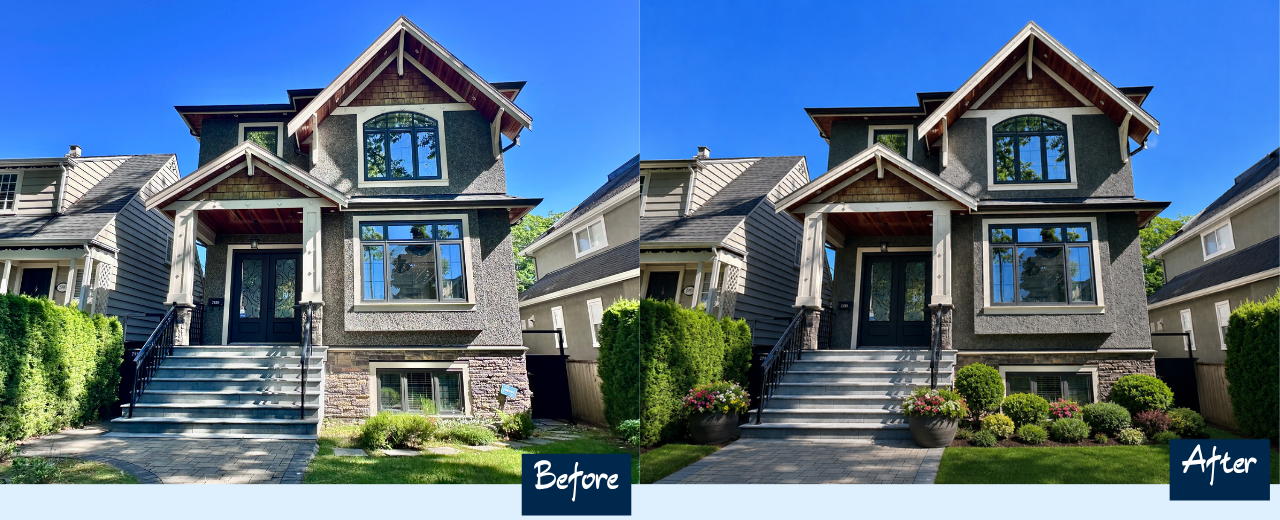
Increased curb appeal
Added resale value
According to several outdoor design experts, covered patios and outdoor rooms continue to grow in popularity because they provide year-round usability and enhance the overall living experience.
Outdoor Living Trends Homeowners Love
1. Covered Patios and Pergolas
Covered outdoor structures remain one of the biggest trends in outdoor living design. Pergolas, modern roof extensions, and covered seating areas allow homeowners to enjoy their outdoor spaces in both sunshine and rain.
Many modern designs now feature:
These features create a luxurious atmosphere while improving comfort and functionality.
2. Outdoor Living Rooms
Outdoor spaces are increasingly being styled like indoor living rooms, complete with:
The goal is to create an inviting environment where family and guests naturally gather.
3. Seamless Indoor-Outdoor Design
Modern homes are embracing large sliding glass doors and open-concept layouts that connect interior and exterior spaces. This design style creates a seamless flow between indoor and outdoor living areas.
In Vancouver’s luxury real estate market, this feature is especially attractive to buyers looking for both elegance and lifestyle functionality.
4. Outdoor Kitchens and Dining Areas
Outdoor entertaining continues to be a major priority for homeowners. Covered dining spaces and outdoor kitchens make hosting easier while creating a resort-style experience at home.
Popular additions include:
Built-in BBQ stations
Pizza ovens
Beverage fridges
Dining pergolas
Firepit lounges
Outdoor Living and Vancouver Real Estate
In Vancouver, outdoor living space can significantly influence a home’s desirability. Buyers are increasingly prioritizing properties with functional patios, landscaped yards, covered entertaining areas, and outdoor wellness spaces.
Homes that successfully combine indoor comfort with outdoor enjoyment often stand out in the market and create a stronger emotional connection with buyers.
Even smaller outdoor upgrades can make a noticeable impact:
Updated patio furniture
Outdoor lighting
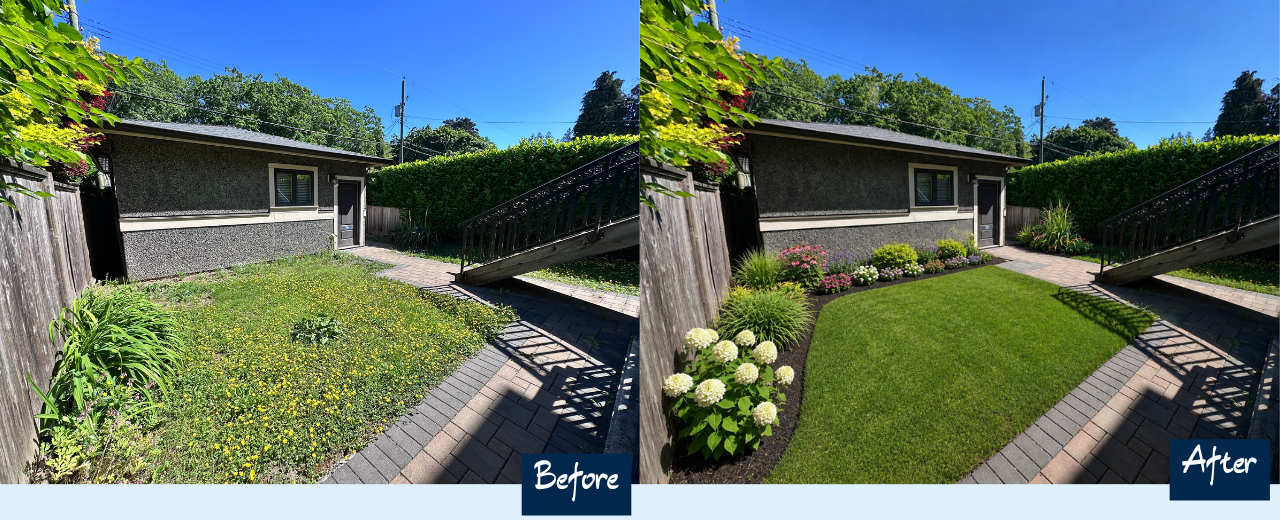
Landscaping improvements
Covered seating areas
Privacy features
Modern decking
These improvements help create a lifestyle-focused presentation that buyers remember.
Final Thoughts
Beautiful outdoor living spaces are no longer considered a bonus -- they’ve become an essential part of modern living.
Whether it’s a peaceful covered patio, a cozy firepit area, or a fully designed outdoor entertaining space, investing in your outdoor environment can dramatically improve both your lifestyle and your home’s value.
If you’re considering buying, selling, or upgrading your home in Vancouver and want to understand which outdoor features add the most value in today’s market, Andrew and Jill Hasman would be happy to help.
Contact Andrew and Jill Hasman today to learn more about Vancouver real estate and the lifestyle features buyers are searching for most.
📍 Vancouver, BC





 The data relating to real estate on this website comes in part from the MLS® Reciprocity program of either the Real Estate Board of Greater Vancouver (REBGV), the Fraser Valley Real Estate Board (FVREB) or the Chilliwack and District Real Estate Board (CADREB). Real estate listings held by participating real estate firms are marked with the MLS® logo and detailed information about the listing includes the name of the listing agent. This representation is based in whole or part on data generated by either the REBGV, the FVREB or the CADREB which assumes no responsibility for its accuracy. The materials contained on this page may not be reproduced without the express written consent of either the REBGV, the FVREB or the CADREB.